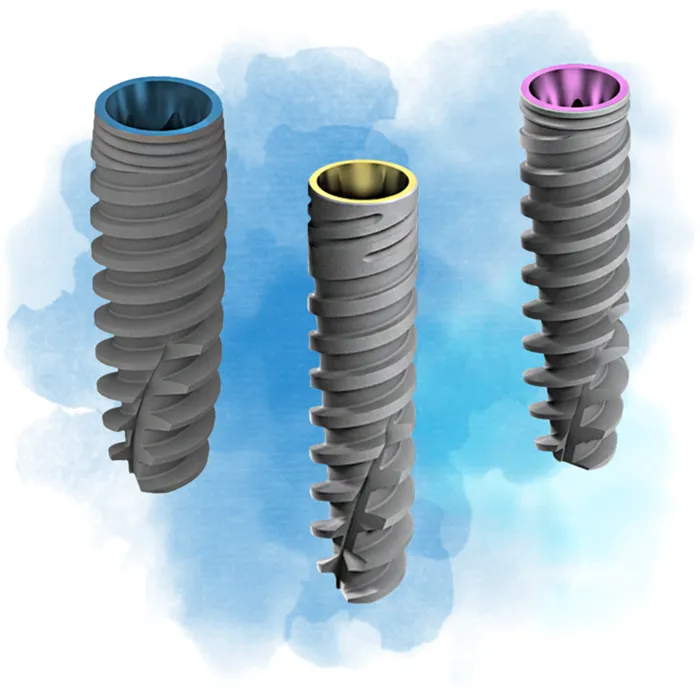
One of the problems encountered after implant treatment is gum recession that develops over time. Although implants provide a strong and long-lasting solution during the treatment process, the health of the surrounding tissues is one of the critical factors for success.
Especially insufficient protection of the gum tissues around the implant, biological incompatibility, and poor hygiene can lead to gum recession. We examine all the details about gum recession after implants…
Why Does Gum Recession Occur After Implant?
Implant treatment is a solution that provides the comfort of natural teeth and allows long-term use in missing tooth treatment. However, in some cases, gum recession may occur to a degree that prevents the implant from integrating with the bone. This situation can also cause aesthetic problems. Gum recession after implant is generally directly related to the health of surrounding tissues, oral hygiene, and placement technique.

So, why does gum recession occur after implant? Here are some examples:
- Infection: An infection around the implant usually occurs due to bacteria. This condition, called peri-implantitis, can lead to bone loss or gum recession in the area. Failure to maintain oral hygiene is among the causes that trigger infection.
- Insufficient Gum Thickness: The gum tissue must be healthy and thick enough before implant application. Thin gum tissue is more prone to recession over time.
- Insufficient Bone Amount: Lack of sufficient bone density in the application area can lead to gum recession.
- Surgical Trauma: Another cause of gum recession after implant can be trauma caused by excessive force applied to the gum or surrounding bone tissue during the procedure. Caution should be exercised against such trauma, which may occur due to the inexperience of the surgeon.
- Incorrect Placement: If the implant is not placed at the correct angle, it may put pressure on adjacent teeth or nerves. Such pressure can cause stress on the gum and lead to recession.
- Overloading: The prosthesis placed on the implant must be properly designed. Prostheses that are not properly designed or made with inappropriate materials can cause overloading and stress. This may cause gum recession after implant.
- Smoking: Smoking contains various toxins that inhibit tissue healing. Additionally, it reduces blood circulation and leads to less oxygen reaching the tissues. This can affect implant success and cause gum recession after treatment.
- Genetic Predisposition: Gum recession after implant can also develop due to genetic factors. This condition is often seen in patients who are genetically prone to gum recession.
Gum recession after implant treatment is an issue that needs attention both aesthetically and functionally. With hygiene habits, proper planning, and regular check-ups, this condition can largely be prevented.
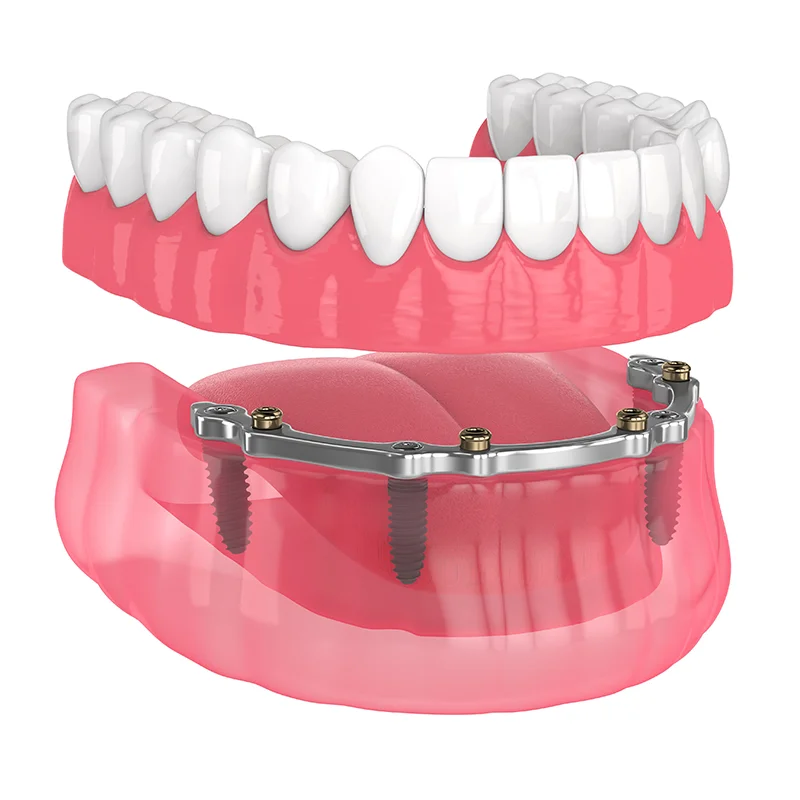
Recommended content: Titanium Bar Supported Full Mouth Dental Implants
How to Recognize Gum Recession After Implant?
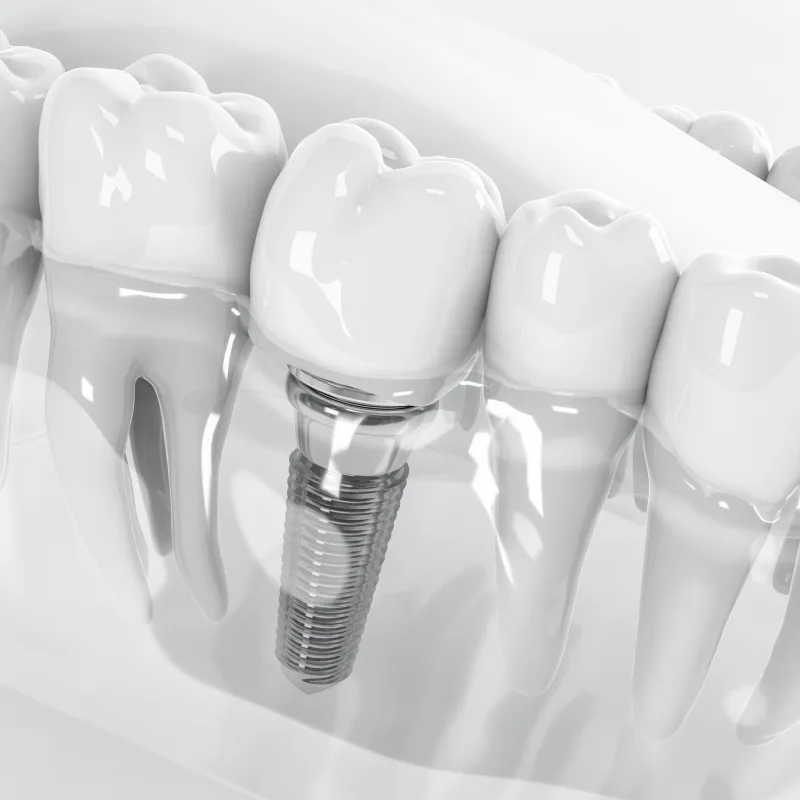
Gum recession that may occur after implant treatment can be recognized by some symptoms appearing in the surrounding tissues. The first sign is usually the visibility of the implant head or screw. In a healthy state, the implant is fully covered by the gum. However, in case of recession, the metal part starts to become visible.
Gum recession after implant can also be noticed by redness, swelling, and sensitivity in the area. Patients may become more sensitive to cold or hot foods. Bleeding during brushing or flossing may indicate gum recession. Persistent bad odor or taste can also suggest inflammation related to gum recession after implant. Therefore, it is important to pay attention to all these symptoms and consult a specialist dentist without delay.
Is Gum Recession Treatable After Implant?
Patients experiencing gum recession after implant treatment often wonder if this condition can be treated. The problem can largely be resolved with correct planning and application. However, the treatment method varies depending on the size, cause of the recession, and the placement of the implant.
Treatment methods for gum recession after implant include:
- Tissue Grafts: In cases where the gum has receded significantly, tissue taken from another area of the mouth is used to support the recessed area.
- Repositioning: In milder cases, the existing tissue is surgically moved to cover the implant area.
- Bone Grafts: If bone loss accompanies gum recession after implant, the jawbone may need to be supported with grafts.
- Laser Therapy: Laser treatment for gum recession is preferred to support tissue regeneration and eliminate infection.
- Oral Hygiene: Maintaining oral hygiene is another essential factor in resolving gum recession seen after implant procedures. Complete oral care with special brushes, floss, and mouthwashes is necessary.
- Antibiotic Use: If gum recession is infection-related, the antibiotic prescribed by your dentist must be used regularly.
- Implant Position: Gum recession caused by incorrect placement may require removal and re-placement of the implant.
All complications that may develop in implant treatment occur uniquely for each patient. Therefore, gum recession after implant requires examination by a periodontist or specialist dentist. Early intervention during the treatment process will increase the chance of success.
Recommended content: Can a Dental Implant Be Removed?
What Should Be Considered If Gum Recession Occurs After Implant Treatment?
Gum recession after implant treatment can have many consequences. Therefore, when this condition occurs, paying attention to some factors is crucial. To prevent progression of the problem and ensure the implant remains healthy in the long term, cooperation between patient and doctor is very important. The things to consider in case of gum recession after implant are as follows:
Professional Examination
The moment gum recession is noticed, you should consult a specialist without delay. You can visit an implantologist or periodontist. Early diagnosis will allow controlling the problem without surgical intervention. Therefore, a doctor’s examination is essential as soon as symptoms are noticed.
Regular Check-ups
It is important to attend control appointments as recommended by your dentist after implant treatment. Regular check-ups are essential for early detection of any recession symptoms. During these controls, gum level, tissue health, and bone support are monitored.
Oral Hygiene
The gum tissues around implants are more sensitive than natural teeth. Therefore, a care routine appropriate for the treatment should be followed instead of classic oral hygiene routines. Soft toothbrushes, interdental brushes, and antibacterial mouthwash are effective for maintaining oral hygiene.
Smoking
One of the main reasons for gum recession after implant treatment is smoking. Tobacco products delay tissue healing and increase infection risk, seriously affecting implant success. Therefore, smoking should be strictly avoided during the periods recommended by your dentist.
When gum recession occurs in implant treatment, patients need to behave consciously and comply with their doctor’s recommendations. Recession should not be seen merely as an aesthetic problem; it can negatively impact the success of the implant treatment.