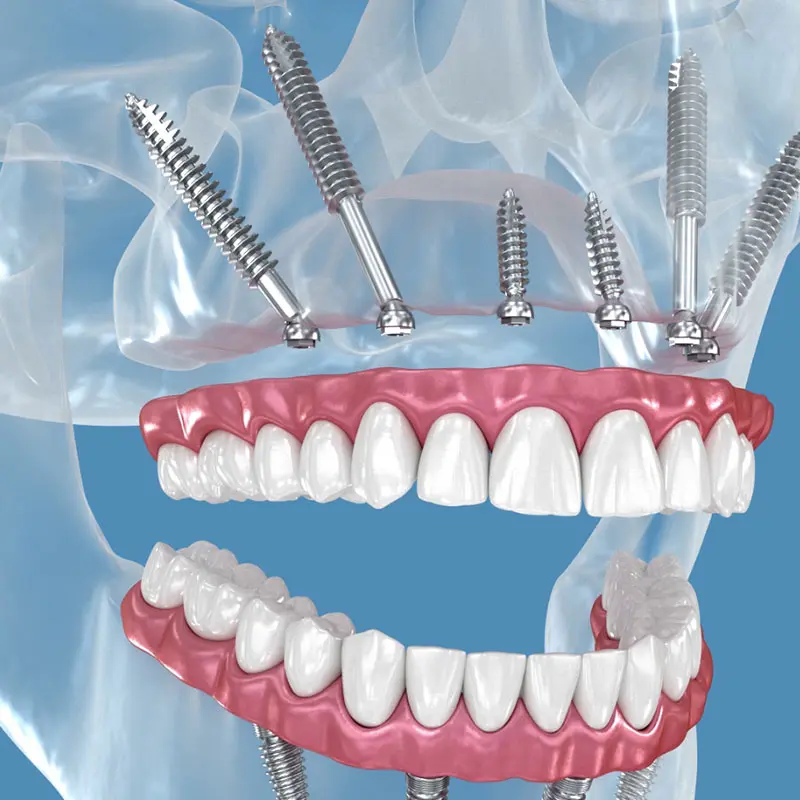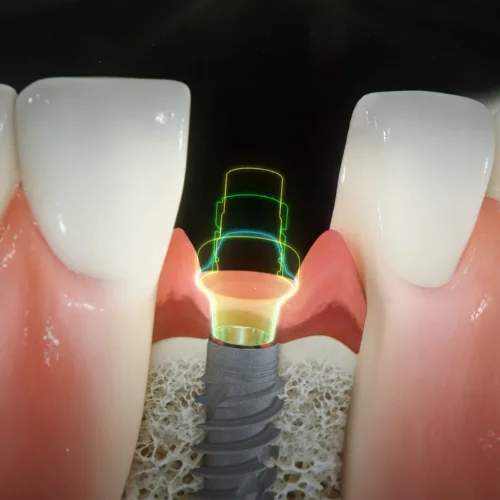
The question of whether dental implants can be placed in diabetic patients frequently arises, especially for individuals with diabetes considering this treatment method. Implant treatment, which is preferred as a permanent solution for tooth loss, can also be applied to diabetic patients, provided that certain conditions are met. However, the process must be carried out with sensitivity, depending on the severity of the diabetes and whether it is under control. We provide all the details about diabetes and implant treatment for you…
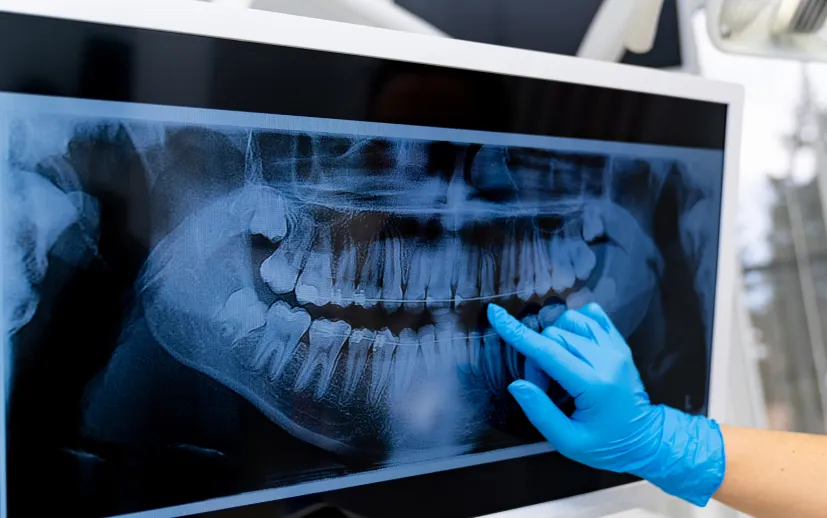
The fundamental condition for applying implant treatment in diabetic patients is that the blood sugar level must be controllable. Blood sugar should first be kept stable and at a low level. If the patient follows medical advice and adheres to a suitable diet, implant treatment can be carried out.
In response to the question of whether diabetic patients can receive dental implants, oral hygiene should also be mentioned. Patients must ensure oral hygiene under the guidance of their doctor, in addition to maintaining a proper diet. As bleeding may take longer to stop in diabetic patients, the surgical procedure should be kept minimal. After the operation, infection risk should be minimized through proper hygiene practices, and care routines must be performed regularly.
Moreover, diabetes must be well-controlled throughout the implant process. That means regular monitoring of both implant healing and blood sugar levels is essential. You can consult a specialist to determine whether you meet the treatment requirements.
The Relationship Between Diabetes and Implant Treatment
Diabetes is a systemic condition that disrupts the body’s healing mechanisms and weakens the immune system. Therefore, it has a direct impact on oral and dental health. Before answering the question “Can diabetic patients get dental implants?”, it is important to understand both health conditions.
Although implant treatment can be performed when blood sugar is under control, the process must be managed with great care. This is because diabetics heal more slowly, tissue loss is more likely, and the risk of infection is higher. All these factors significantly affect implant success.
The effects of diabetes on oral health include:
- Delayed Healing: The tissue repair process in diabetic patients is slower, which can extend the healing period after surgeries like implant placement.
- Risk of Bone Loss: Bone resorption is more common in diabetes, making it harder for the implant to fuse with the bone and negatively affecting the treatment.
- Dry Mouth: Diabetes can lead to xerostomia (dry mouth), which allows bacteria to multiply faster, increasing the risk of gum disease and reducing implant success.
- Increased Risk of Infection: With a weakened immune system, diabetics face a higher risk of infection after surgical procedures like implants.
- Gum Diseases: Healthy gum tissue is critical for implant success. Diabetes makes patients more prone to conditions like periodontitis, which may compromise treatment.
Despite these risks, diabetes is not a direct obstacle to implant treatment. However, proper planning, timely interventions, and ongoing monitoring are crucial. Implant success is higher in patients whose diabetes is well-controlled.
Smart Implant Technology for Diabetic Patients
For those wondering if diabetic patients can get dental implants, it’s important to note that conventional implant methods may not always be successful. In such cases, smart implant technology, also known as Smart Hydrophilic Implants, presents a valuable alternative.
Smart implants bond better with the bone and offer improved healing outcomes for diabetic patients. These implants accelerate bone healing and minimize the risks associated with diabetes. It’s strongly recommended to consult an expert dental professional for this type of treatment.
Under What Conditions Can Diabetic Patients Receive Implants?
Before starting implant treatment for diabetic patients, specific conditions must be met. Treatment success depends not only on the patient’s overall health but also on the control of blood sugar levels. Therefore, the patient’s condition must be thoroughly examined in terms of surgical suitability, infection risk, and healing time. So, under what conditions can diabetic patients receive implants? Here’s the answer:
- Blood Sugar Control: The patient’s HbA1c level should be below 7%. Higher levels can slow healing, making the patient unsuitable for implant treatment.
- Careful Planning: Since bleeding may stop late in diabetic patients, minimally invasive techniques should be used, with meticulous preoperative planning.
- Hygiene Protocol: Infection risk is common in diabetes. The risk must be minimized by using prescribed medications and oral care products regularly and adhering strictly to hygiene guidelines.
- Medication Management: Another answer to the question of whether diabetic patients can get dental implants is that preventive antibiotic therapy is often necessary. This helps prevent infections, which is critical in diabetic implant treatments.
- Regular Check-Ups: A long-term follow-up plan must be implemented. Regular dental visits and diabetes-specific monitoring are essential.
- Nutrition: Diabetics may experience slower healing, but consuming protein-rich foods can support the recovery process.
Although implant treatment is possible under certain conditions for diabetic patients, it’s vital to act in a controlled and disciplined manner. Therefore, patients considering implant treatment are advised to consult not only a dentist but also an endocrinologist.
Recommended content: Gum Recession After Implant Placement
Why Aren’t Implants Always Recommended for Diabetics?
The main reason for caution in applying implant treatment to diabetic patients is their vulnerability to infections and slower healing processes due to diabetes.
If diabetes is not well-managed, it can reduce blood flow and slow down wound healing in body tissues. This raises the risk of infection after surgery, especially around open wounds or stitches. Additionally, diabetes weakens the immune system, facilitating bacterial growth in the mouth. This can lead to inflammation or even the loss of tissues surrounding the implant.
Implant integration with the jawbone may also be weaker in diabetics, reducing the stability and success of the treatment. Blood sugar fluctuations in uncontrolled diabetes can lead to unexpected complications during or after surgery.
For all these reasons, the question “Can diabetic patients receive dental implants?” is completely valid. With careful planning, patient-specific precautions, and strict blood sugar control, implant treatment can be successfully performed.