The question of whether a dental implant can be placed immediately after tooth extraction is a crucial one for many patients experiencing tooth loss. Thanks to advances in modern dentistry, implant techniques can now be applied in a wide variety of cases. However, it’s important to remember that each case is unique, and proper timing is essential. Whether tooth extraction and implant placement can be performed in the same session depends on certain conditions. So, can an implant be placed immediately after a tooth is pulled? Here are the details…

While modern implant technology allows for immediate placement after extraction, this is not always suitable for every patient. The condition of the tissues where the tooth was extracted, the patient’s overall health, and oral hygiene all play a role in determining the timing of the procedure. Although the idea of immediate implants may be appealing, specific criteria must be met for it to be feasible.
Situations where immediate implant placement is not possible include:
- Infection and Swelling: If there is an active infection, swelling, or inflammation in the area where the tooth will be extracted, the implant procedure should be postponed. The risk of infection is one of the biggest factors affecting the success of implant procedures, so it’s crucial to address any existing infection first.
- Bone Loss and Cysts: If there is a cyst formation or significant bone loss around the tooth root, an implant cannot be placed immediately. The area must first regain a healthy structure.
- Chronic Conditions: Conditions such as diabetes, high blood pressure, or other systemic diseases may prevent immediate implant placement after extraction. In patients who have undergone radiotherapy in the head and neck region, implant placement is considered a risk factor. The associated risks must be minimized before proceeding.
- Immunosuppressive Treatments: Certain medical conditions requiring immunosuppressive medications may prevent immediate implant placement. The underlying condition should be managed first before considering implants.
Based on the above, while the technical answer to “Can an implant be placed immediately after tooth extraction?” is yes, certain criteria must be met. If there are no contraindications, the implant can be placed immediately. Still, a detailed examination and evaluation by a dental specialist are essential to determine the proper timing.
Immediate Implant Treatment After Tooth Extraction
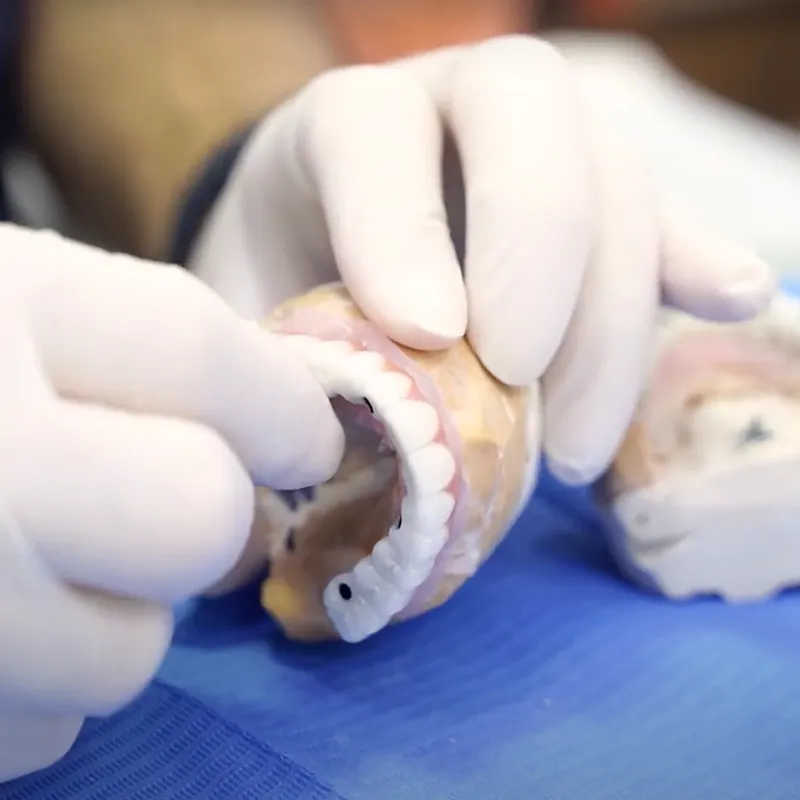
The most definitive answer to the question “Can a dental implant be placed immediately after extraction?” is immediate implant treatment. This technique involves placing the implant during the same session in which the tooth is extracted. It saves time and minimizes the risk of bone loss, making it a highly advantageous option. However, immediate implant treatment is not suitable for every patient. Severe bone loss, systemic diseases, and infection risks may reduce its viability.
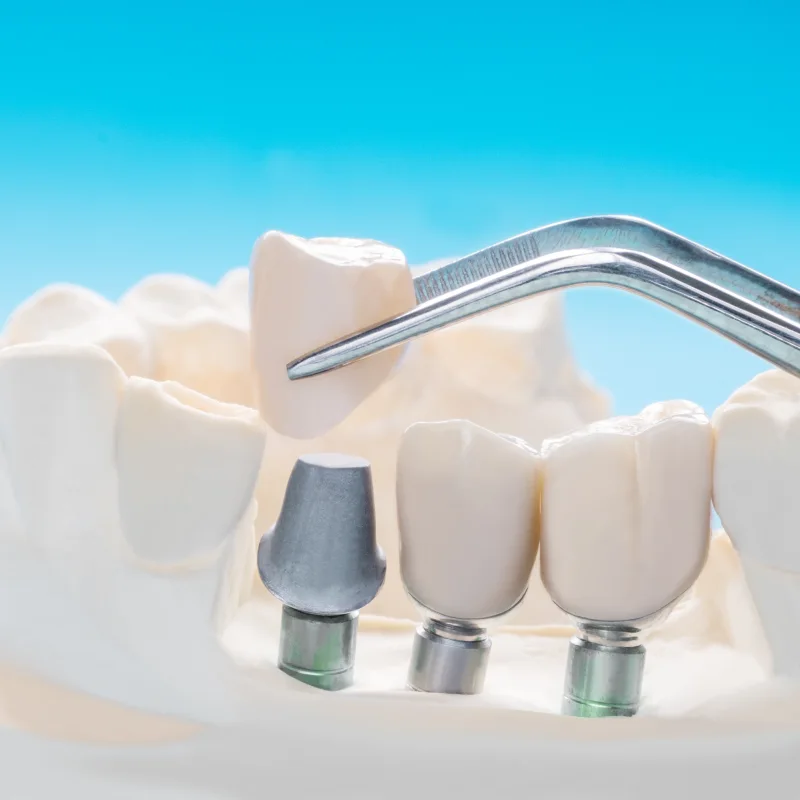
In immediate implant treatment, the implant is placed directly into the socket of the extracted tooth. For this procedure to be successful, the tissue in the area must be suitable, and the jawbone must have sufficient width and density. Additionally, the patient’s general health must be evaluated, as it may affect the healing process.
Immediate implants are ideal for replacing broken, decayed, severely damaged, or non-functional teeth quickly. When the right conditions are met, this method provides both aesthetic and functional results in the shortest time possible. Therefore, if the patient is a suitable candidate, the answer to whether a dental implant can be placed immediately after extraction is definitely yes.
Recommended content: What to Pay Attention to After All-on-Four Implant Treatment?
Advantages of Performing Tooth Extraction and Implant Placement at the Same Time
In addition to the question of whether an implant can be placed immediately after extraction, it’s also important to consider the advantages of doing so. With immediate implant treatment, time is saved, and many benefits are gained in terms of bone and gum health. Having both procedures done in the same session allows the healing process to begin immediately.
Benefits of simultaneous tooth extraction and implant placement include:
- Reduced Risk of Bone Loss: After tooth extraction, bone loss begins in the surrounding area. Performing the implant procedure simultaneously helps prevent both horizontal and vertical bone resorption.
- Fewer Surgical Procedures: Performing both procedures in one session reduces the number of surgeries the patient undergoes, increasing comfort and decreasing overall intervention.
- Shortened Toothless Period: Tooth loss can be a challenging experience. Immediate implant placement eliminates the period of being toothless, offering significant psychological and functional relief.
- Preserved Soft Tissue and Gum Shape: Placing the implant immediately helps preserve the natural gum contour and prevents damage to surrounding tissues, offering aesthetic advantages.
- Higher Osseointegration Potential: Fresh extraction sockets contain live bone tissue, which increases the likelihood of the implant successfully fusing with the bone. This improves the overall success rate of the implant treatment.
In conclusion, if the conditions are right, placing a dental implant immediately after tooth extraction is possible and highly beneficial for the reasons mentioned above. However, whether the procedure is suitable must be determined by a dental specialist after a thorough evaluation.
When Can an Implant Be Placed in a Previously Extracted Tooth Area?
In some cases, immediate implant placement after extraction is not feasible, and a waiting period is necessary. However, implants can still be placed in previously extracted tooth areas if certain conditions are met. The quality and quantity of jawbone are the most decisive factors here. For an implant to be placed in a site where the tooth was extracted long ago, the bone density must be assessed first.
Sufficient bone width and depth are required for successful implant placement. If the surrounding bone tissue is still adequate, the implant can be placed without additional treatment. However, in most cases, significant bone loss is expected over time after tooth loss. As with all unused tissues, bone tissue also deteriorates over time.
In cases where bone tissue is insufficient, bone grafting (using bone powder) may be necessary. This procedure restores the missing bone and usually requires a few months of healing time. Once sufficient density and volume are achieved, the implant can be placed. This increases the longevity and success rate of the treatment. It’s also essential that certified and approved materials are used during bone grafting.
If the tooth was extracted long ago and the area has remained empty, an implant can still be placed after bone grafting. However, this should be decided by a dental specialist based on the patient’s overall health, oral hygiene, and the condition of the bone and gum tissue.