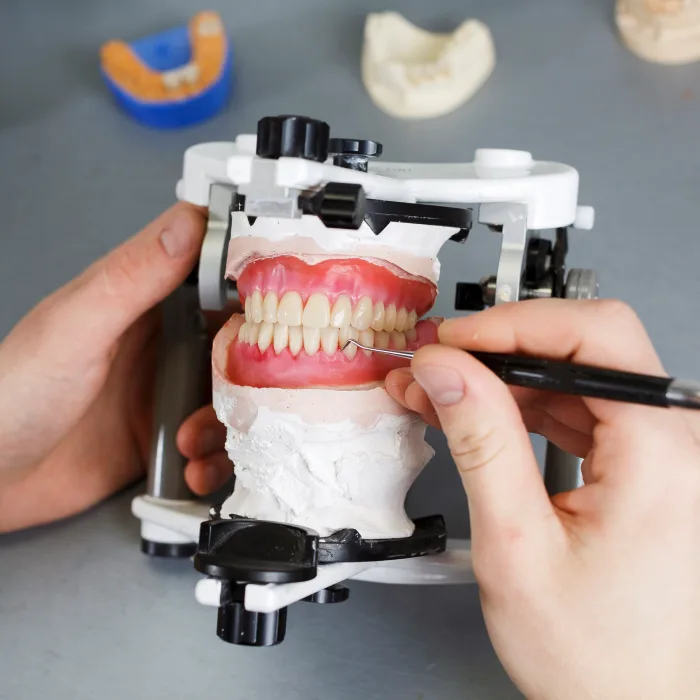
Esthetic dentistry not only improves the appearance of teeth but also supports chewing function, speech quality, and oral health. One of the most popular treatments in this field, smile design, provides both aesthetic and functional benefits by reshaping the teeth’s form, color, alignment, and tooth-lip harmony.
However, patients often ask the following question:
“Does smile design harm my natural teeth?”
Answer: No, when performed correctly, with appropriate techniques, and by an expert dentist. However, to achieve this safe outcome, the treatment must be carried out within certain scientific principles, and the patient must actively participate in the process.
1. Basic Scientific Concepts of Smile Design
Knowing some terms helps both patients and colleagues to better understand and evaluate the treatment process:
- Tooth Enamel: The outermost layer of the tooth, the hardest tissue in the human body. However, it cannot regenerate. For example, if enamel wears down, it cannot be replaced; therefore, protecting it is essential.
- Dentin: The softer, yellowish tissue beneath the enamel. It is the primary source of tooth sensitivity.
- Tooth Reduction / Preparation: The process of removing a very thin layer from the tooth surface before veneers or crowns, usually between 0.3–0.7 mm.
- Porcelain Laminate Veneer: A thin (approximately 0.3–0.7 mm) aesthetic porcelain layer bonded to the front surface of the tooth. Requires minimal tooth reduction.
- Digital Smile Design (DSD): Computer-assisted 3D planning tailored to the patient’s individual treatment design.
2. Does Smile Design Harm Natural Teeth?
Scientifically, smile design performed with a minimal invasive approach (least intervention) does not damage the tooth enamel. However, incorrect techniques, unnecessary tooth reduction, or use of low-quality materials can completely reverse this.
Clinical example: A patient came to me after having full crowns done at another clinic. Unnecessary 360° tooth reduction was performed, exposing the dentin completely. As a result, the teeth showed sensitivity and started to fracture. This is a typical case demonstrating the importance of a minimal invasive approach.
🔍 Research Note: According to a study at Harvard School of Dental Medicine, the decay rate after 10 years for porcelain laminates applied with minimal tooth reduction is below 5%. (Harvard Dental Medicine – Veneers & Tooth Preservation)
Related Articles: Istanbul Smile Design Prices 2025
3. Golden Rules to Avoid Damaging the Teeth
3.1. Personalized Tooth Reduction Planning
Each tooth’s shape, position, and enamel thickness differ. For example, the average enamel thickness on upper front incisors is about 1 mm, while it can be as thin as 0.7 mm on lower front teeth. Therefore, applying the same amount of tooth reduction to everyone increases the risk of reaching the dentin, especially in patients with thin enamel.
3.2. Digital Planning Before Treatment
Thanks to Digital Smile Design (DSD):
- Facial analysis determines tooth-to-lip ratio.
- Three-dimensional models of the teeth are created.
- The expected result is shown to the patient before treatment.
This method prevents unnecessary tooth reduction. Example: In patients with a high lip line, aesthetic goals can be achieved by only whitening teeth without lengthening them.
3.3. Preservation of Natural Structure
Minimal invasive approach is essential. Whenever possible, laminate veneers or composite veneers should be preferred instead of unnecessary reduction.
Clinical experience: In a patient with only discoloration, up to 95% of tooth structure can be preserved by combining whitening and laminate veneers instead of porcelain crowns.
3.4. Expertise and Experience
Smile design requires knowledge of esthetic dentistry as well as prosthetic dental treatment. Incorrect measurements or improper bonding techniques can cause poor crown margins and gum inflammation.
3.5. Post-Procedure Oral Hygiene
Although veneers have smoother surfaces than natural teeth, their margins can accumulate bacteria.
Care recommendations:
- Brush twice daily with fluoride toothpaste
- Daily use of dental floss and interdental brushes
- Professional cleaning twice a year
🔍 Scientific support: According to the ADA, care after veneers directly affects their lifespan. (American Dental Association – Veneers and Care Recommendations)
4. Common Mistakes That Harm Teeth in Smile Design
- Unnecessary Tooth Reduction: Going down to dentin increases sensitivity and fracture risk.
- Low-Quality Materials: Cheap porcelains break easily and discolor.
- Incorrect Bonding Techniques: Poor margin fit invites decay.
- Poor Hygiene: Leads to plaque buildup and gum recession.
Clinical example: A composite veneer made with low-quality material can discolor within a year, requiring retreatment.
Related Articles: What Are the Stages of Smile Design?
5. Harmless Smile Design Methods
5.1. Digital Smile Design (DSD)
The tooth shape that best suits the patient’s facial structure is determined, considering aesthetics and function together.
5.2. Porcelain Laminate Veneers
Long-lasting, natural-looking veneers made with minimal tooth reduction. They can last up to 15 years.
5.3. Composite Laminate Veneers
Same-day treatment with minimal tooth intervention. Less expensive but shorter lifespan than porcelain.
5.4. Tooth Whitening (Bleaching)
Applied with gels or laser that do not damage enamel. Excessive use may cause sensitivity, so it should be controlled.
5.5. Orthodontic Treatments
Aesthetic improvements are achieved by correcting tooth positions with clear aligners or braces.
Example: In a patient with mild crowding, using clear aligners instead of veneers preserves the entire tooth structure.
6. Patient and Dentist Cooperation
Successful smile design requires:
- Dentist: Accurate planning, correct techniques, and high-quality materials
- Patient: Regular maintenance, healthy nutrition, avoiding hard foods
For example, a patient with bruxism (teeth grinding) who does not use a protective night guard may cause veneers to crack.
Related Articles: 7 Details You Should Know Before Smile Design
7. Conclusion
With correct planning, minimal invasive techniques, and regular maintenance, smile design protects natural tooth health while providing an aesthetic appearance. Incorrect application can cause irreversible damage. Therefore, every patient should request a thorough examination and digital planning before treatment and follow care instructions afterward.
References
- Harvard School of Dental Medicine – Veneers & Tooth Preservation
- American Dental Association – Veneers and Care Recommendations