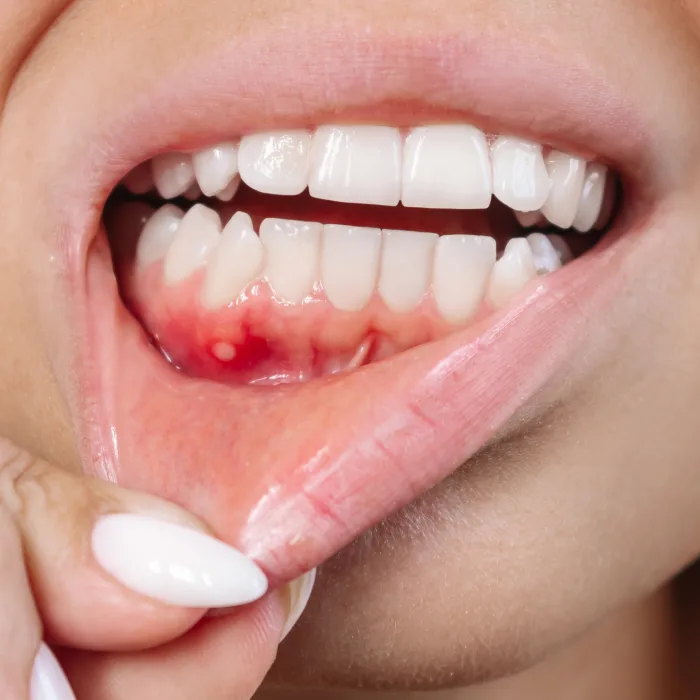
During the day, we often do not notice mild toothaches due to work or daily activities. However, when we lie down at night, the same pain can suddenly become unbearable. The main reasons for this are:
Increased Blood Circulation
When the body is in a lying position, more blood flows to the head and dental area. This increases pressure in inflamed tissues. As a result, dental nerves are stimulated more, and the pain intensifies.
Silence and Increased Attention
During the day, external stimuli, noises, and activities reduce the perception of pain. At night, when silence prevails, the brain focuses more on pain, making it feel more severe than it actually is.
Decrease in Cortisol Hormone
Cortisol is the body’s natural anti-inflammatory hormone. It is higher during the day and lower at night. A decrease in cortisol means reduced resistance to pain in inflamed areas.
Lying Position and Pressure
Lying with the head parallel to the ground can cause blood vessels around the teeth to fill and result in throbbing pain. Therefore, sitting or semi-upright positions may slightly reduce the pain.
Body Temperature and Nerve Sensitivity
Body temperature rises at night. Increased heat accelerates metabolism in inflamed areas, enhancing nerve sensitivity and intensifying the perception of pain.
Psychological Effects and Anxiety
When pain starts at night, anxiety such as “how will I endure until morning?” increases. Stress and anxiety amplify pain perception in the brain.
Primary Causes of Nighttime Tooth Pain
1. Tooth Decay (Dental Caries)
Early-stage tooth decay may go unnoticed. However, if the decay reaches the pulp (the nerve layer of the tooth), throbbing pain often occurs at night. Untreated cases may require root canal treatment.
2. Gum Diseases (Gingivitis and Periodontitis)
Gum inflammation affects the surrounding dental tissues. In advanced cases, infection pockets can form at the tooth root, leading to nighttime pain and even tooth loss.
3. Abscess
One of the most serious causes. It occurs due to accumulation of infection at the root tip. Abscess symptoms include:
- Severe throbbing pain
- Swelling in the cheek
- Fever and fatigue
- If untreated, the infection may spread to the bloodstream, posing a life-threatening risk.
4. Teeth Grinding and Clenching (Bruxism)
Grinding teeth unconsciously at night strains the jaw muscles and causes dental sensitivity. Waking up with a headache is a typical sign of bruxism.
5. Sinus-Related Pain
Inflammation in the sinuses can sometimes radiate to the upper teeth. Patients may feel “tooth pain,” but the real cause is sinusitis, which is more noticeable when lying down.
Emergency Home Remedies for Nighttime Tooth Pain
Remember: These methods provide temporary relief. The underlying cause should be treated by a dentist.
1. Warm Salt Water Rinse
- Provides antiseptic effect.
- Reduces gum swelling.
- Easy to prepare: 1 cup of warm water with half a teaspoon of salt.
2. Cold Compress
- Applying ice externally on the cheek for 15 minutes constricts blood vessels and eases pain.
- Do not place ice directly on the skin; wrap it in a thin cloth.
3. Painkillers
- Paracetamol and ibuprofen are most commonly preferred.
- However, aspirin should not be applied directly to the tooth; it can burn the gums.
4. Change Sleeping Position
- Keep your head elevated with a few pillows.
- This reduces blood pressure in the head, easing throbbing pain.
5. Natural Support: Clove Oil
- The eugenol in clove oil acts as a local anesthetic.
- Apply 1 drop on a cotton ball and gently place it around the tooth, not directly on it.
6. Warm Tea Compress
- Especially black tea bags help reduce inflammation due to their tannin content.
- Soak the tea bag in warm water and place it on the painful tooth for a few minutes.
7. Mint or Garlic
- Mint leaves provide a cooling effect.
- Crushed garlic has natural antibacterial properties but should not directly touch the gums.
When You Must See a Dentist
Methods like salt water rinse, cold compress, or clove oil provide temporary relief. However, some conditions require urgent dental intervention to prevent infection and serious health risks.
Severe and Prolonged Pain
- If pain lasts more than 2 days
- If it doesn’t subside with painkillers
- This may indicate inflammation or necrosis in the tooth pulp, possibly requiring root canal treatment.
Swelling in the Cheek or Gums
- If swelling is accompanied by throbbing pain
- If swelling increases over time
- This is a sign of an abscess. Untreated, the infection can enter the bloodstream.
Fever, Fatigue, and Swollen Lymph Nodes
- Night sweats
- Swollen lymph nodes in the neck
- These indicate that a dental infection has developed systemic symptoms. Immediate intervention is required.
Difficulty Swallowing or Breathing
- May occur with lower jaw abscesses.
- If the infection spreads to the throat, it can block the airway.
- This is life-threatening and requires emergency care.
Tooth Fracture or Trauma
- If a tooth breaks due to a fall, accident, or biting hard objects
- If the tooth suddenly darkens
- Trauma can cause nerve death. Prompt treatment is needed to save the tooth.
Advanced Decay and Filling Problems
- If a filling has fallen out
- If decay has reached the pulp
- Pain increases and becomes unbearable at night. Intervention should not be delayed.
Bleeding and Gum Problems
- If gums bleed spontaneously
- If there is pus discharge from the gums
- These are signs of progressive diseases like periodontitis, which may lead to tooth loss.
Severe Pain After Tooth Extraction or Surgery
- Mild pain usually lasts 1–2 days after extraction.
- If there is severe, throbbing, and increasing pain, a “dry socket (alveolitis)” may have developed, requiring dentist intervention.
Expert Tips to Prevent Nighttime Tooth Pain
- Regular brushing: At least twice a day for 2 minutes.
- Fluoride toothpaste: Reduces risk of cavities.
- Dental floss or water flosser: Essential for interdental cleaning.
- Regular check-ups: Visit the dentist every 6 months.
- Night guard: Effective against bruxism for those who grind their teeth.
- Dietary habits: Avoid consuming sugary foods, especially at night.
FAQ – Frequently Asked Questions
Will night tooth pain go away on its own by morning?
No. While it may temporarily ease, it usually persists until the underlying cause is addressed.
Is it correct to use antibiotics?
No. Antibiotics should only be used with a dentist’s prescription. Incorrect use can cause resistance.
Is clove oil a permanent solution?
No. Clove oil provides temporary relief and is not a permanent solution.
Can painkillers be used continuously?
No. Long-term use of painkillers can damage the stomach and kidneys.
If my tooth hurts at night, should I go to the emergency room?
Yes, if there is severe pain and swelling, you can visit the emergency room. However, the definitive solution requires dentist intervention.