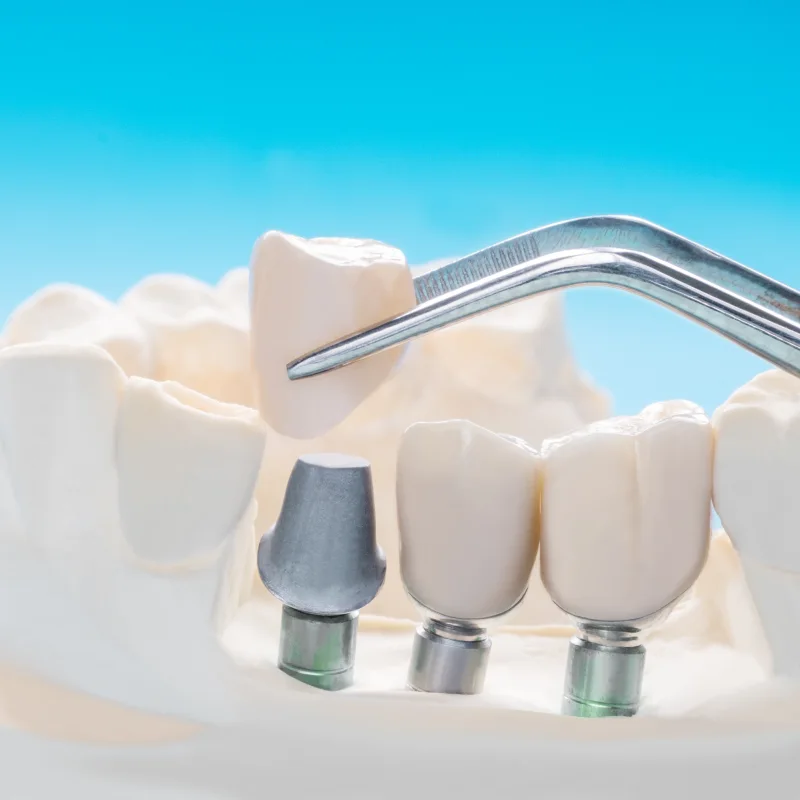
One of the main concerns for individuals who have lost teeth is regaining fixed and aesthetic teeth. Traditional implant treatments have been successfully applied for many years. However, the same method is not suitable for every patient. In cases where there is significant bone loss in the upper jaw, placing regular implants is often not possible.
At this point, zygomatic implants come into play. A zygomatic implant provides patients with insufficient upper jaw bone the opportunity for a fixed prosthesis without the need for additional surgical procedures.
What is a Zygomatic Implant?
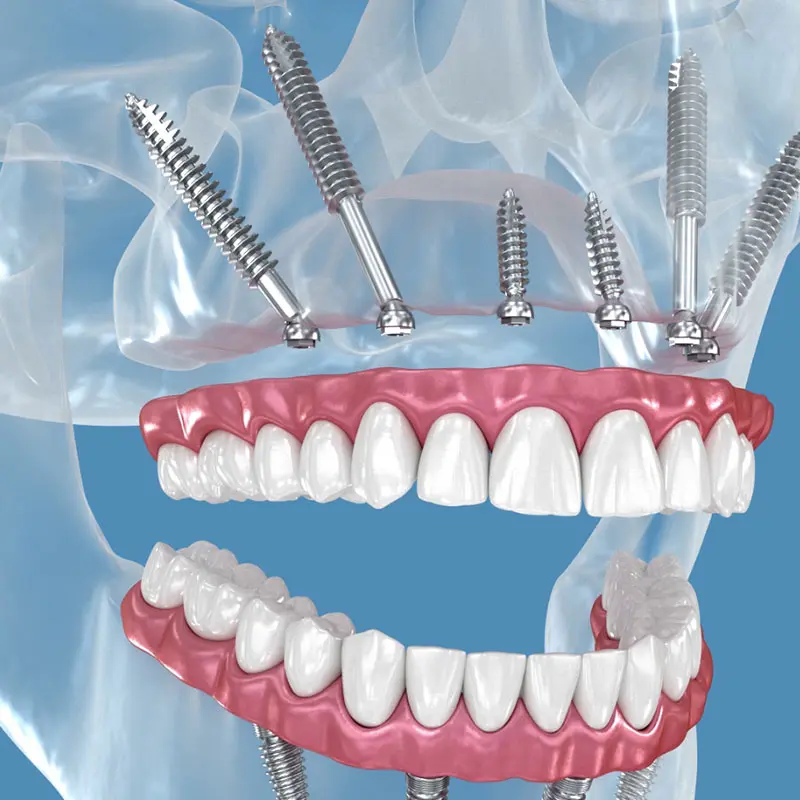
A zygomatic implant gets its name from the area where it is placed: the zygoma, or cheekbone. While regular implants are anchored in the jawbone, zygomatic implants use longer titanium screws to anchor into the cheekbone.
This method is especially preferred for patients with severe bone loss in the upper jaw. With zygomatic implants:
- Bone grafting is not required.
- The treatment period is shortened.
- A fixed prosthesis can be applied on the same day.
In other words, a zygomatic implant can be the only permanent solution in cases where regular implants are not possible.
Differences Between Regular Implants and Zygomatic Implants
To understand when a zygomatic implant is preferred, let’s clarify the differences:
- Placement Area: Regular implants are anchored in the jawbone, while zygomatic implants are anchored in the cheekbone.
- Bone Requirement: Regular implants require sufficient and healthy bone. Zygomatic implants can be applied even in patients with bone loss.
- Treatment Duration: Regular implants take 3–6 months. Zygomatic implants can provide fixed teeth on the same day.
- Cost: Zygomatic implants are more expensive due to the advanced surgical expertise and special equipment required.
- Success Rate: Both have a high success rate, but zygomatic implants are especially effective in advanced cases.
These differences help determine which patients are more suitable for zygomatic implants.
When is a Zygomatic Implant Preferred?
Zygomatic implants are specially developed for patients who have significant bone loss in the upper jaw and for whom regular implants are not possible. When traditional implant solutions are insufficient, zygomatic implants provide patients with permanent results both aesthetically and functionally. So, in which cases are zygomatic implants preferred?
1. Patients with Bone Loss
If tooth loss is left untreated for a long time, severe bone loss occurs in the upper jaw.
- Regular implants have a lower success rate as they cannot anchor to the jawbone.
- Zygomatic implants are anchored to the cheekbone, eliminating the need for additional bone grafts.
- This allows patients with bone loss to also receive fixed prostheses.
2. Patients with Previous Implant Failure
Some patients experience failure with previous implants due to insufficient bone.
- Zygomatic implants provide a second chance in such cases.
- They offer a permanent solution for those who want fixed teeth after failed implants.
3. Patients Wanting to Get Rid of Removable Dentures
Many patients complain about the discomfort, speaking difficulties, and aesthetic issues caused by removable dentures.
- Zygomatic implants allow patients to get fixed and aesthetic teeth.
- The ability to place a fixed prosthesis on the same day is one of the most important advantages of this method.
4. Patients Who Do Not Want Sinus Lifting or Bone Grafting
In regular implant treatments, sinus lifting or bone grafting is often required in cases of bone insufficiency.
- These procedures increase both treatment duration and cost.
- Zygomatic implants provide a fast and reliable solution without the need for additional surgery.
5. Patients Who Have Been Toothless for a Long Time
In patients who have been toothless for many years, the upper jaw bone may be almost completely resorbed.
- In such cases, regular implants are nearly impossible.
- Zygomatic implants restore fixed, aesthetic, and functional teeth for these patients.
6. Patients Needing Immediate Fixed Teeth
Some patients require a quick solution for aesthetic or functional reasons.
- Regular implants require months for osseointegration with the bone.
- Zygomatic implants allow the placement of fixed prostheses on the same day.
Advantages of Zygomatic Implants
- No bone grafting needed
- Same-day fixed prosthesis
- Quick aesthetic improvement
- Restores chewing and speaking functions
- Improves quality of life quickly
Disadvantages of Zygomatic Implants
- More expensive than regular implants
- Swelling and sensitivity may occur after surgery
- Should only be performed by experienced specialists
Conclusion and Expert Advice
In summary:
- Regular implants: Ideal for patients with sufficient bone structure.
- Zygomatic implants: Best for patients with upper jaw bone loss, those wanting to get rid of removable dentures, or those who do not want sinus lifting or grafts.
Determining which method is suitable for you requires a detailed examination by a specialist dentist.
➡ If you want to regain fixed, aesthetic, and healthy teeth, you can start anew with zygomatic implant treatment. Remember, the key to the right treatment is expertise, experience, and personalized planning.
Frequently Asked Questions
What is a zygomatic implant and how is it different from a regular implant?
A zygomatic implant is a special type of implant used in patients with severe bone loss in the upper jaw. While a regular implant is placed directly in the jawbone, a zygomatic implant is anchored in the cheekbone. This allows for a fixed prosthesis without bone graft surgery.
Which patients are candidates for zygomatic implants?
- Patients with severe upper jaw bone loss
- Patients who have had previous implant failures
- Patients who have been using removable dentures for a long time and want fixed teeth
- Patients who do not want sinus lifting or bone grafting
- Those seeking aesthetic improvement and a quick solution
Does the zygomatic implant procedure hurt?
No. Modern local anesthesia or, if necessary, general anesthesia is used during the procedure. Mild swelling, bruising, or pain may occur for a few days after surgery but can be controlled with medication.
What is the recovery time after a zygomatic implant?
While regular implants require months for bone integration, zygomatic implants typically allow the placement of a fixed prosthesis on the same day. Patients usually return to normal activities within 1–2 weeks.
How long does a zygomatic implant last?
With proper oral care and regular dental check-ups, zygomatic implants can last 20–25 years or even longer without problems. Their success rate is over 95%.
Does a zygomatic implant look natural?
Yes. Fixed prostheses placed on zygomatic implants appear almost indistinguishable from natural teeth. Additionally, it positively affects facial shape and smile aesthetics.