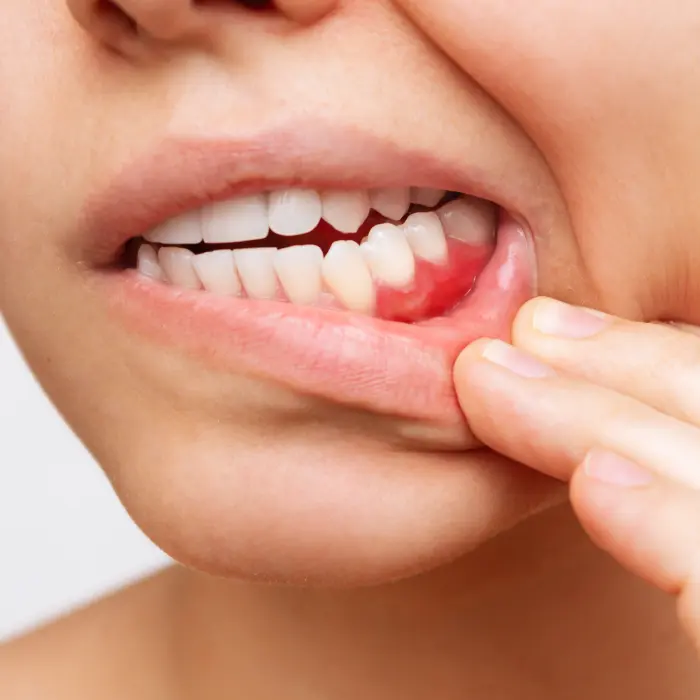
Bad breath (halitosis) is an oral health problem experienced by millions of people worldwide. It can negatively affect not only personal confidence but also social relationships and professional life. Temporary bad breath that occurs when you wake up in the morning or after consuming foods like onion and garlic is normal. However, persistent bad breath is a health issue that must be treated.
In this article, we will examine in detail the causes of bad breath, solutions, how it appears in different situations (in children, in the morning, from stomach-related issues), and permanent treatment methods.
What is Bad Breath?
Bad breath, medically referred to as halitosis, is characterized by unpleasant odors released from the mouth during breathing. It is very common in the population and can affect all age groups. Although it often stems from a simple oral hygiene problem, if it becomes persistent, it may indicate serious oral health issues or systemic diseases.
Bacteria that accumulate on the surface of the tongue, between teeth, and in gum pockets produce substances called volatile sulfur compounds. These compounds are the main source of bad odor. Inadequate brushing, not using dental floss, or neglecting tongue cleaning are among the most common causes of bad breath.
However, bad breath is not only caused by problems inside the mouth. Stomach disorders, sinus infections, tonsillitis, and some metabolic diseases can also cause persistent bad breath. Therefore, bad breath should be considered not just a social issue but also a health indicator that requires treatment.
Temporary bad breath can occur due to hunger, waking up in the morning, or consuming foods like garlic and onion, and it usually disappears quickly. Persistent bad breath throughout the day should be examined by a dentist.
What Causes Bad Breath?
1. Oral Causes
Tooth decay, gum disease, and tartar are the most common causes of bad breath. Bacteria accumulating in these areas produce sulfur compounds that cause unpleasant odors. The white coating on the surface of the tongue is often overlooked but is a major source of bad breath.
2. Diet and Habits
Spicy foods, onions, and garlic can cause temporary bad breath. Smoking not only leaves a bad odor in the mouth but also weakens gum tissue, leading to chronic bad breath. Coffee and alcohol consumption also increase dry mouth, making the odor persistent. In particular, smoking can cause lasting bad breath by damaging gums and reducing the effectiveness of aesthetic treatments like teeth whitening.
3. Systemic Diseases
Bad breath is sometimes not related to the teeth. Stomach issues such as reflux and gastritis, sinusitis, tonsillitis, or systemic diseases like diabetes can also be causes. For example, diabetic patients may have a “acetone-like odor,” while kidney failure may cause an “ammonia-like odor.”
Bad Breath in Special Cases
Morning Breath
Bad breath upon waking is very common. During sleep, saliva flow decreases and the mouth becomes dry, which allows bacteria to multiply. It usually disappears after brushing in the morning, but if it persists throughout the day, it may indicate an underlying issue.
Bad Breath in Children
In children, bad breath is mostly caused by tooth decay or inadequate brushing. However, enlarged adenoids, tonsillitis, or chronic sinusitis can also cause bad breath. Regular dental check-ups and ENT examinations can resolve the problem.
Stomach-Related Bad Breath
Digestive system disorders such as reflux, gastritis, or stomach ulcers may cause odor originating from the stomach rather than the mouth. These odors usually do not disappear with oral hygiene, and treatment requires a gastroenterologist.
How to Get Rid of Bad Breath? Permanent Solutions
Regular Oral and Dental Care
The most fundamental solution is brushing teeth twice a day, using dental floss, and cleaning the tongue. Cleaning bacteria from the tongue surface significantly reduces bad breath.
Professional Dental Cleaning
Tartar is one of the areas where bacteria accumulate most. Dental cleaning performed by a dentist removes these sources of odor. Regular check-ups also prevent recurrence.
Adjusting Diet and Habits
Quitting smoking and alcohol, drinking plenty of water, and reducing coffee and spicy foods are very effective in controlling bad breath. Chewing sugar-free gum also helps increase saliva flow and reduce odor.
Regular Medical Check-Ups
Dental check-ups every 6 months allow early detection and treatment of cavities and gum problems. If the odor persists despite treating dental causes, referral to other specialists may be necessary.
Frequently Asked Questions
1. Is bad breath only caused by teeth?
No. The most common cause is dental and gum problems, but it is not the only reason. Stomach issues (reflux, gastritis), sinusitis, tonsillitis, and systemic diseases like diabetes can also lead to bad breath. Therefore, if bad breath persists despite oral care and dental treatment, another specialist should be consulted.
2. Why do we have bad breath in the morning?
Saliva flow decreases during sleep, causing dry mouth. This allows bacteria to multiply, producing the typical “morning breath.” Brushing in the morning usually eliminates it, but if it persists during the day, it may indicate a persistent problem.
3. Is bad breath normal in children?
Temporary bad breath in children is usually caused by inadequate brushing. However, if it becomes persistent, causes such as tooth decay, enlarged adenoids, tonsil infections, or sinusitis should be investigated. Regular dental check-ups are crucial to prevent bad breath in children.
4. Does mouthwash help with bad breath?
Yes, especially antibacterial and alcohol-free mouthwashes provide short-term relief. However, mouthwash alone is not a permanent solution. If the cause of bad breath is tartar, cavities, or gum disease, it must be treated. Mouthwash should only be used as a supportive method.
5. Which foods increase bad breath?
Onions, garlic, spicy foods, coffee, and alcohol increase bad breath. Smoking not only causes persistent bad odor but also damages gum health, making the odor chronic. On the other hand, drinking plenty of water and consuming fibrous foods like apples and carrots help reduce odor.
Omer Istanbul Expert Team
Bad breath is often preventable with proper oral care and regular medical check-ups. However, if it becomes persistent, evaluation by both dentists and relevant specialists is required.
If you want to get rid of your bad breath complaint, you can contact Ömer Istanbul’s expert doctors and make an appointment for a personalized treatment plan.