Tooth loss is not only an aesthetic issue. After a tooth extraction, the jawbone in that area gradually begins to “waste away” because it becomes functionally inactive. This is a natural response of the body; unused bone gradually dissolves. However, over time, this can lead to sunken facial features, ill-fitting dentures, and pose a significant obstacle for those who want to get implants.
Nowadays, thanks to bone grafting treatment, commonly known as “bone powder therapy,” lost bone tissue can be reconstructed. This method restores both aesthetic appearance and provides a strong foundation for implant treatment.
Why Does the Jawbone Shrink?
Jawbone loss usually starts after tooth loss. Tooth roots continuously stimulate the bone; when this stimulation stops, the bone “thinks” it is no longer needed and begins to be reabsorbed by the body.
Gum diseases (especially periodontitis), long-term denture use, trauma, or systemic diseases (e.g., osteoporosis) can also accelerate bone loss. In some patients, this process progresses silently — but over time, the jawline thins, lip support decreases, and the face appears older.
What Is Bone Powder Treatment and How Does It Work?
Bone powder treatment is a regenerative surgical method applied to rebuild lost bone tissue. Specially prepared bone powder materials are placed in the area where the bone has deteriorated.
These powders attract the body’s own cells to the area, stimulating new bone formation. Over time, the body uses this material as a “scaffold” and produces its own living bone in its place. In other words, this procedure essentially paves the way for the bone to rebuild itself.
The bone powders used come from different sources:
- Some are harvested from the patient’s own bone (e.g., from the chin or the back of the jaw),
- Some are completely biocompatible, lab-produced synthetic powders.
The choice depends on the patient’s condition and the amount of bone required.
How Does the Treatment Process Progress?
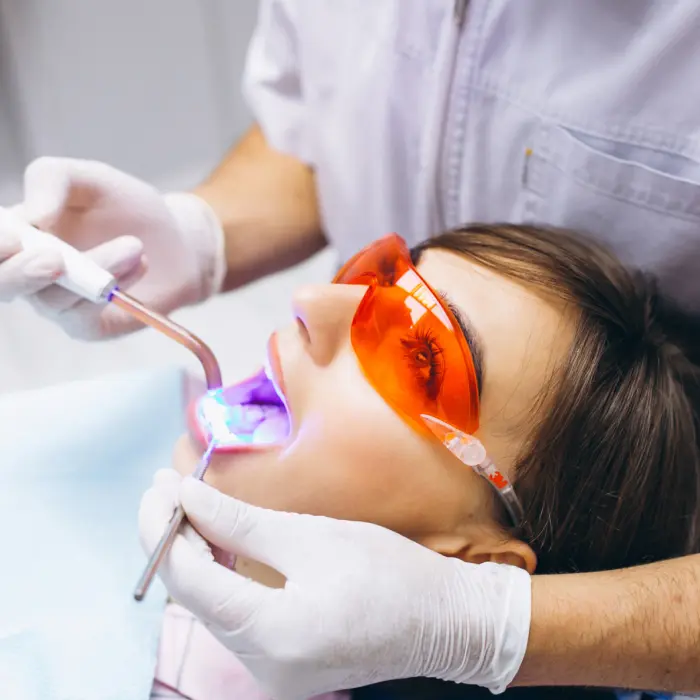
Bone powder treatment is usually performed under local anesthesia. A small incision is made in the gum to expose the deteriorated bone area. The doctor places the appropriate amount of bone powder into this area and covers it with a special membrane. This membrane protects the new bone from external factors.
It takes a few months for the body to fully transform this material into its own bone. On average, new bone tissue forms within 3 to 6 months. At the end of this period, the area becomes suitable for an implant.
Patients typically return to normal life within a few days. Mild swelling or discomfort may occur but usually subsides quickly.
Benefits of Bone Powder Treatment
The biggest advantage of this treatment is that it restores the jawbone to a functional state. It provides not only aesthetic improvement but also functional recovery.
After bone powder treatment:
- Facial contours are supported and jaw shape is preserved,
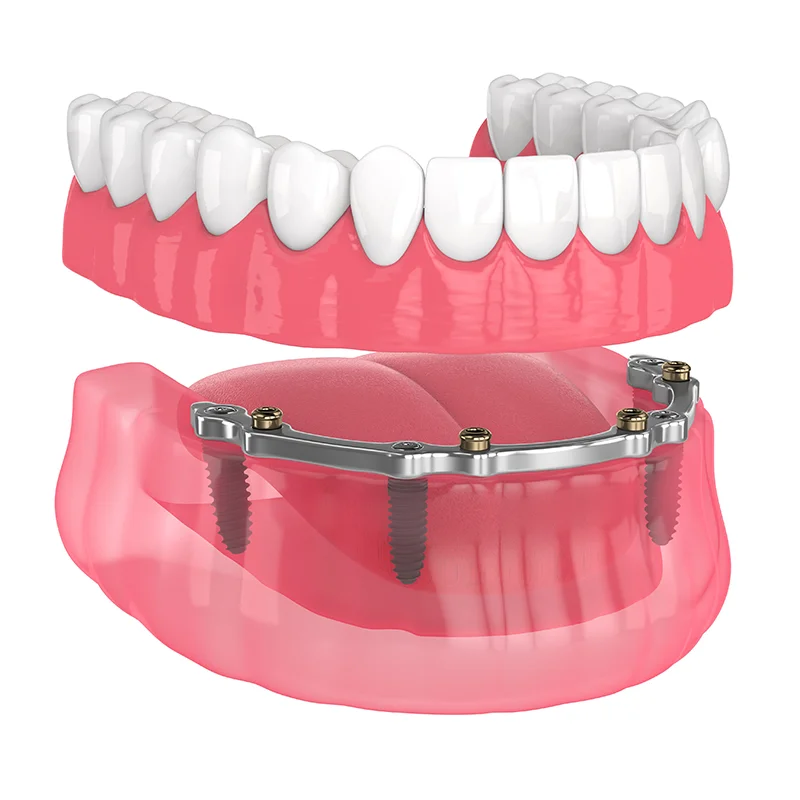
- Implant treatment becomes possible,
- Dentures fit more stably,
- Chewing ability increases, and speech becomes more natural.
In short, this procedure makes a significant difference for both appearance and quality of life.
Post-Treatment Care
After the procedure, it is crucial to avoid hot foods for the first few days, maintain oral hygiene, and avoid smoking. Smoking significantly slows down bone healing.
Using prescribed antibiotics and mouthwash as directed minimizes the risk of complications. Attending follow-up appointments is also essential to monitor whether the healing process is progressing properly.
Frequently Asked Questions
Is bone powder compatible with the body, and is there a risk of rejection?
Bone powder materials (bone grafts) are designed to be biologically compatible with human tissues. Whether the material is synthetic, animal-derived, or human-derived, it is prepared in sterile laboratory conditions and processed to avoid triggering the immune system. Therefore, the risk of rejection or foreign body reaction is very low.
In some cases, a small piece of bone may be taken from the patient’s jaw or hip. This “autogenous graft” method works with the body’s own cells and has the highest compatibility rate. Over time, the graft integrates with surrounding tissues and becomes a part of your own bone.
Is the bone powder treatment painful?
The procedure is performed under local anesthesia, so no pain is felt during the surgery. The surgical procedure typically lasts 30–60 minutes. In the first few days after the operation, mild pain, swelling, or bruising may occur, which is a normal response of the tissues to healing.
The doctor usually prescribes painkillers, antibiotics, and antiseptic mouthwash to make this period comfortable. Avoiding smoking, hot foods, and hard foods during the healing process helps reduce discomfort. Pain usually subsides completely within 2–3 days if these recommendations are followed.
How long does the healing process take after bone powder placement?
Bone tissue is one of the slowest tissues to regenerate in the body. Therefore, complete integration of the graft usually takes 3 to 6 months. In the first weeks, blood circulation increases in the area, and then bone cells migrate into the graft and start producing new bone tissue.
This process varies from person to person. Age, general health, smoking, diet, and bone quality directly affect the healing speed. The doctor monitors new bone formation with X-rays or 3D scans at specific intervals to determine the optimal time for implant placement.
Can implants be placed after bone powder treatment?
Yes, bone powder treatment is often performed as a preparatory step for implant treatment. If bone loss is mild, the implant and bone powder procedure can be done in the same session. However, in advanced bone loss cases, the bone powder is placed first, and the implant is applied after a few months.
This staged approach significantly increases implant success rates. For an implant to be successful, there must be sufficient and healthy bone around it. Newly formed bone acts as a natural support for the implant, providing a long-lasting solution.
Is bone powder permanent, or does it dissolve over time?
Bone powder does not remain in the body as a permanent material; instead, your own living bone tissue forms. The graft material gradually dissolves while being replaced by natural bone cells. This transformation is usually completed within a few months, resulting in a new, strong bone structure.
Post-treatment care is very important for long-term results. Poor oral hygiene, gum disease, or neglecting implant maintenance can cause future bone loss. Regular dental check-ups and cleaning are essential to maintain this permanence.