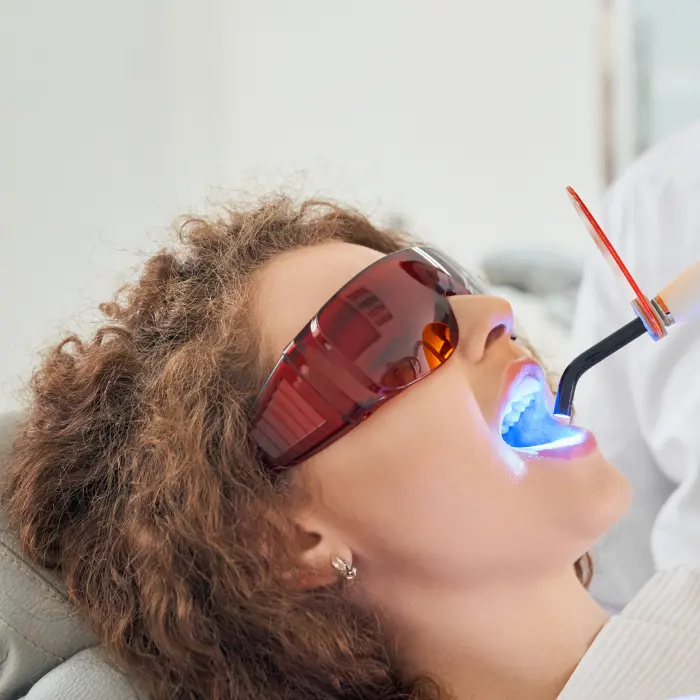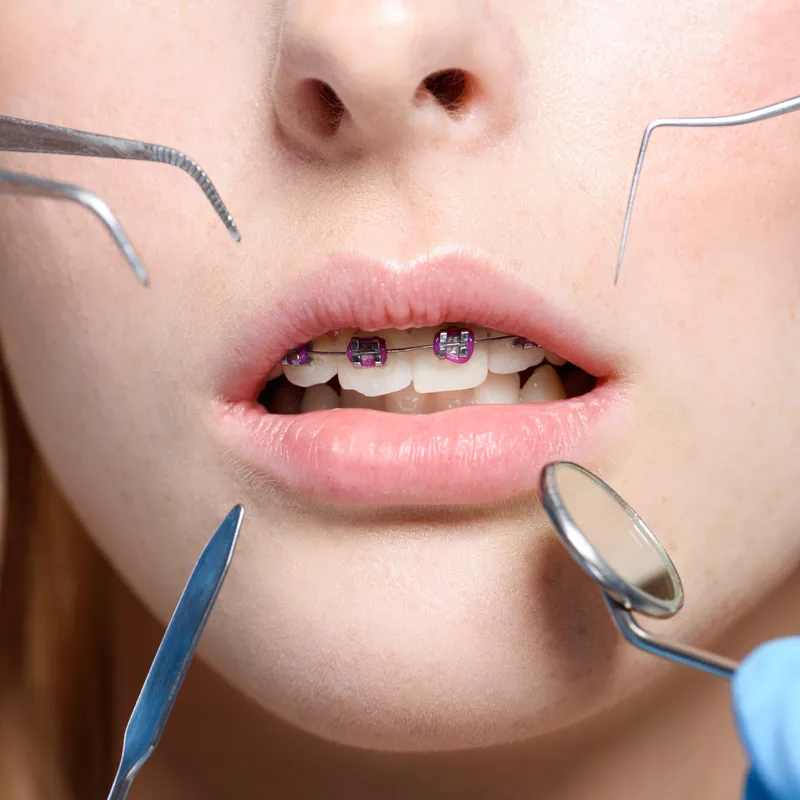
A perfect smile is one of the most important details that reflects an individual’s self-confidence, personal expression, and health. Many people who care about their appearance want to learn all the details about the treatment before smile design. Topics such as how the procedure is applied, how long it takes, its durability, etc., are of interest among those considering smile design. In this content, we share 7 details you need to know before smile design…
What Is Smile Design and What Is It Not?
Smile design is a procedure in aesthetic dentistry that also enhances individual comfort. The goal of the procedure is not only to whiten or align the teeth but also to create an aesthetic smile by ensuring harmony between the lips and facial structure.

The procedure is completely personalized, considering all details from skin tone to facial features.
| What Smile Design Is | What Smile Design Is Not |
| It is the aesthetic enhancement of teeth in terms of color, shape, and alignment. | It is not just a teeth whitening procedure. |
| It is evaluated together with gum aesthetics. | Although famous for the Hollywood smile, the same model is not applied to everyone. |
| Includes procedures like teeth whitening, veneers, and zirconium crowns. | No excessive procedures are performed on the teeth; naturalness is preserved. |
| A natural smile compatible with the person’s facial structure is targeted. | It is not a superficial procedure done solely for aesthetic concerns. |
| Chewing and speech disorders can also be treated. | It is not a standard one-session procedure. |
In summary, smile design is applied not only for aesthetic purposes but also for a healthy mouth and teeth structure. Correctly setting expectations before the procedure is the most important stage of the process.
7 Details You Need to Know Before Smile Design
Although smile design is a procedure that addresses patients’ aesthetic concerns, there are many details to know before starting the treatment. Knowing the following information before the procedure provides great advantages for the healthy progress of the process and realistic expectations.
Here are 7 details you need to know before smile design…
1- Is Smile Design Suitable for Everyone?
Smile design is an effective solution not only for individuals with aesthetic concerns but also for those with structural or functional dental problems. This method can be applied in cases such as discoloration, crooked teeth alignment, gum issues, missing teeth, and tooth length discrepancies. It is also suitable for people with no oral or dental health problems. In short, smile design can be applied to everyone with the necessary procedures.
The stages of smile design are determined according to the patient’s jaw structure, facial line, needs, and tooth form. However, treatment is not applied in the same way for everyone. Personalized planning is essential. Especially in cases of severe bone loss, poor oral hygiene, or gum disease, special planning is required. After all necessary treatments are completed, smile design can be started.
2- What Is the Treatment Duration?
The duration of smile design treatment may vary depending on the scope of the procedure and the patient’s oral structure. However, procedures involving simple adjustments usually complete within 4-5 days. Teeth whitening, aesthetic fillings, and similar procedures can be done in a single session.
If implant application, gum treatments, or porcelain veneer applications are planned, the overall smile design process takes longer. In current cases, the average duration ranges between 2-6 weeks. However, this period varies depending on the patient’s response to treatment, attention to oral hygiene, and compliance with control sessions.
Recommended content: Factors Affecting Smile Design Prices
3- Is Smile Design Permanent?
Smile design is a treatment that provides long-lasting results when correctly applied by an expert doctor. However, it is not a permanent procedure in any way. The quality of materials used, patient compliance with medical advice, and regular check-ups are factors affecting the longevity of smile design.
The main factors affecting the durability of smile design are:
- Type of material used (porcelain, composite, zirconium, etc.)
- Oral and dental care routines
- Avoiding breaking teeth with hard-shelled foods
- Use of cigarettes and tobacco products
- Regular dental check-ups
- Absence of habits like teeth grinding and clenching
Generally, smile design is not 100% permanent, but with proper care routines and regular check-ups, it can be effective for 5-15 years. Increasing durability entirely depends on the quality of the performed procedure and patient preferences.
4- Can Be Applied with Different Procedures
Smile design treatment is not limited to a single procedure. Many different applications, from zirconium crowns to teeth whitening, fall under this treatment area. These procedures planned specifically according to patient needs provide functional and aesthetic improvement. For example, whitening is done if there is tooth discoloration, while orthodontic treatment may be applied if there is misalignment.
5- Personalized for Each Individual
Smile design is performed considering each individual’s personal characteristics. Aesthetic expectations, oral structure, facial line features, and all related factors are taken into account before the treatment. While detailed analysis is performed before the procedure, expected results can also be previewed digitally.
Characteristics considered in smile design include:
- Face shape
- Gender
- Age
- Profession and social life
- Oral and dental health status
- Patient’s style and aesthetic expectations
In this treatment, the patient’s face shape is particularly considered. Smile design suitable for face shapes such as oval, square, or triangular is planned. Softer lines are preferred in women, while sharper lines are emphasized in men. Additionally, in younger individuals, factors like tooth length are considered, and more striking models may be favored depending on professional and social life preferences.
6- Pre-Treatment Care Recommendations
To achieve effective results in smile design, it is very important that the patient’s oral and dental health is appropriate. Therefore, before the procedure, tartar cleaning, cavity treatment, and gum disease treatment must be completed.
Additionally, the patient should pay attention to oral hygiene, such as brushing teeth and using dental floss, to minimize potential risks during the treatment. Following the doctor’s recommendations before the procedure and avoiding health-damaging products like cigarettes will significantly increase the treatment’s success.
7- Type of Material
The type of material used in the procedures of smile design is one of the factors affecting the durability and success of the outcome. The most commonly preferred materials include porcelain veneers, composite bonding, and zirconium crowns.
Porcelain veneers provide a result very close to the natural tooth appearance and are resistant to staining. Zirconium crowns are highly durable and aesthetically superior. Composite bonding is a more budget-friendly and faster application.
Which material to choose depends on the dentist’s advice and the patient’s decision. At this point, considering the individual’s personal expectations is very important in selecting the material type.