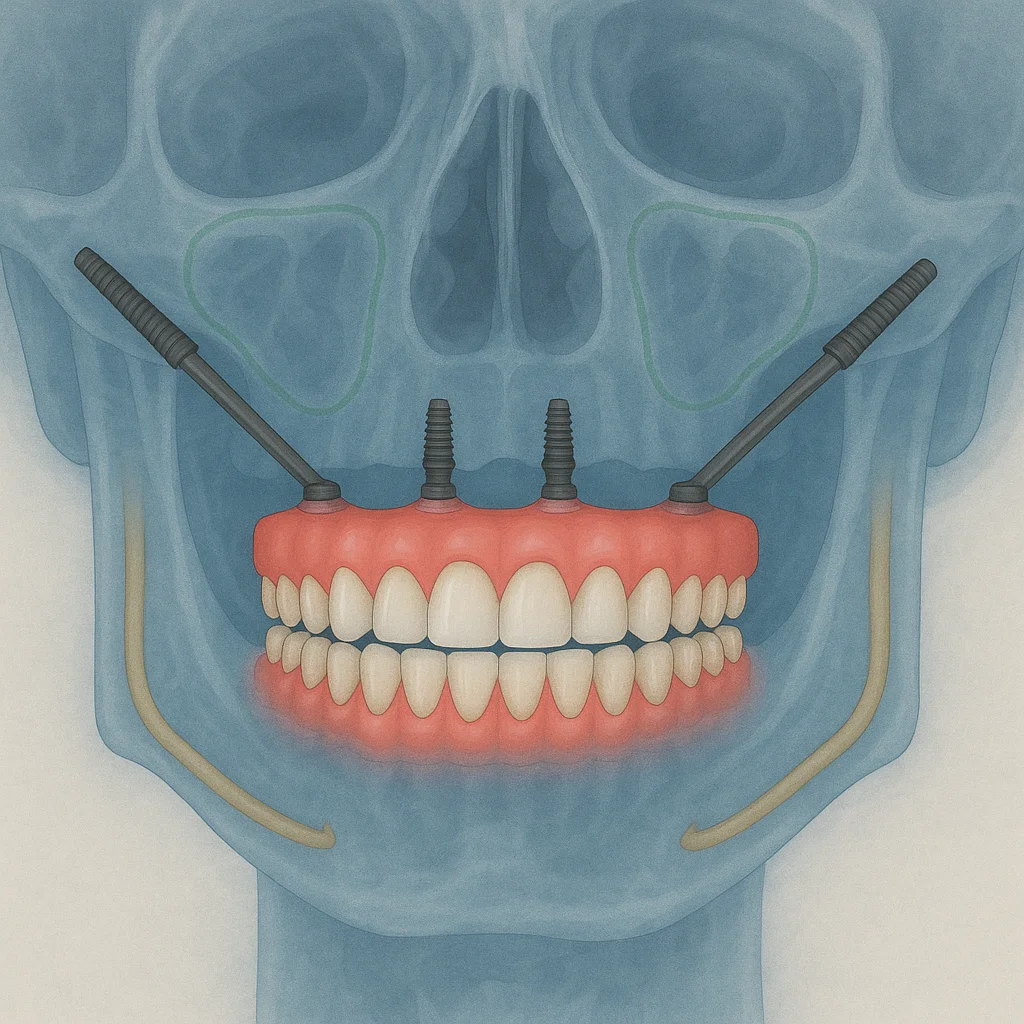
Tooth loss is a significant problem in terms of oral health as it impairs individuals’ chewing function and aesthetic appearance. Dental implant treatments, which permanently eliminate this issue, are applied especially after detailed evaluations in individuals with chronic illnesses. If a person who wants to get dental implants is a heart patient, the process is carried out even more meticulously. So, can heart patients get dental implants? In which cases is it not recommended? Here are all the details on the subject…
Can Heart Patients Get Dental Implants?
The answer to the question of whether heart patients can get dental implants depends on the type of heart condition, previous surgeries, and the current status of the treatment process.
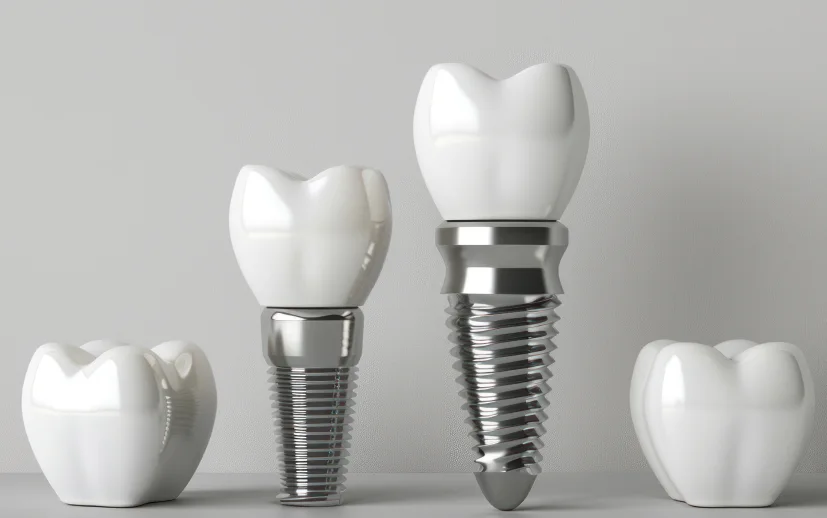
Since implant treatment involves surgically placing titanium screws directly into the jawbone, a special evaluation is essential for heart patients. Not every heart disease carries the same level of risk, so a general answer would not be appropriate.
When evaluating whether heart patients can get implants, the following factors must be considered:
- Heart Surgeries: Patients who have undergone procedures such as heart valve replacement, bypass, or stent placement are considered at direct risk for implant treatment. Therefore, alternative dental treatments should be evaluated.
- Use of Blood Thinners: If the heart condition requires continuous use of blood thinners, it may increase the risk of bleeding during surgical procedures like implants. Implant treatment is not recommended without proper medication adjustments.
- Risk of Infection: In patients with heart valve disease, the risk of endocarditis (an infection of the heart’s inner lining) is high. Due to the risk of post-implant infections, this treatment is not advised. Thus, the answer to whether heart valve patients can get implants is generally no.
- Cardiologist Approval: Before starting implant treatment in heart patients, cardiologist approval is mandatory.
These factors should be reviewed before answering the question of whether heart patients can get implants. Especially in some heart conditions, implant treatment may be performed under a doctor’s supervision and with necessary precautions.
For example, in manageable conditions like arrhythmia or hypertension, implant treatment can be performed after proper medication planning. In such cases, cardiologist approval must be obtained, and potential risks should be evaluated together with the dentist.
Recommended content: Can Diabetics Get Dental Implants?
In Which Heart Conditions Are Implants Not Recommended?
Implant treatment carries high risk in certain heart conditions and is therefore not applied. In patients with advanced heart problems, complications during surgery can lead to severe consequences. So, which heart conditions make implants unsuitable? Here’s the answer:
- Patients who have undergone bypass surgery,
- Individuals with heart valve disease,
- Patients with stents,
- Advanced arrhythmias (e.g., atrial fibrillation),
- Patients diagnosed with heart failure,
- Individuals who have had a heart attack without a defined treatment plan,
- Patients with a history of endocarditis (infection of the heart’s inner lining).
In these cases, a thorough cardiology evaluation is required before proceeding with implants. However, for patients with the above conditions, implant treatment is generally not considered appropriate. Therefore, alternative treatments should be explored.
Risks of Implant Treatment in Heart Patients
When discussing whether heart patients can get implants, one of the most important considerations is the potential risks of treatment. Although the implant procedure is performed under local anesthesia, it is a surgical process involving bleeding and infection risks, which can cause stress to the body. These risks become more pronounced in individuals with heart disease.
The most common risk of implant treatment in heart patients is excessive bleeding. Many patients with heart disease take blood thinners, which may lead to uncontrollable bleeding during or after the procedure.
Other potential risks include infection and the development of endocarditis. Bacteria entering the bloodstream from the oral cavity during or after the procedure may reach weakened heart valves, increasing the risk of infection. This is especially dangerous for patients with previous heart valve surgery or a history of endocarditis.
Cardiologist Approval Is Necessary Before Implant Treatment in Heart Patients
The answer to whether heart patients can get implants is not given by dentists but by cardiologists. Cardiologist evaluation and approval are necessary before proceeding with treatment. This is because each heart condition carries different risks. Therefore, necessary tests are conducted by the cardiologist, and written approval is provided according to the scope of the implant treatment.
The following factors are evaluated by the cardiologist:
- Patient’s heart disease history,
- Previous heart surgeries and recovery status,
- Presence of chronic conditions like arrhythmia or hypertension,
- Use of blood-thinning medications,
- History of infection or endocarditis,
- The effect of physical stress on the heart.
Cardiologist approval is essential for a safe treatment process. The specialist will evaluate all risk factors related to the heart condition and determine whether the surgical procedure is appropriate.
Recommended content: How Many Implants Are Needed for a Toothless Jaw?
How to Prevent Endocarditis and Infection Risk?
When considering whether heart patients can get implants, the risks of infection and endocarditis are among the most critical concerns. Endocarditis is an infection of the heart’s inner lining caused by bacteria. It can be triggered during implant treatment when oral bacteria enter the bloodstream, posing a life-threatening risk for heart patients.
Before implant treatment, heart patients should receive antibiotic prophylaxis. Maintaining good oral hygiene is vital at this stage. Sterilization and hygiene during the procedure are also crucial, and special preparations may be required when necessary.
How Should Heart Patients Prepare for Implant Treatment?
Although there are certain risks associated with implant treatment for heart patients, it is possible to prepare for the procedure by taking precautions in specific conditions. The patient’s health status is evaluated beforehand, cardiologist approval is obtained, and all potential scenarios are carefully reviewed. After identifying risk factors, appropriate precautions should be taken.
How should heart patients prepare for implant treatment? Here’s what to do:
- Adjusting the use of blood thinners according to the implant treatment plan,
- Following the prescribed antibiotic therapy,
- Improving oral hygiene and dental health,
- Not skipping scheduled pre- and post-operative check-ups.
These preparations help reduce the risk of complications before, during, and after the implant procedure. Constant communication with both the cardiologist and dentist is also essential.
Recommended content: Can Implants Be Placed Immediately After Tooth Extraction?
Important Considerations for Heart Patients During Implant Treatment
One of the most critical points for heart patients undergoing implant treatment is to share all information about their medications and current health status with their dentist to prevent any complications. Implant treatment must be planned under the supervision of a cardiologist due to the risk of infection and bleeding.
In addition, maintaining optimal oral hygiene directly influences the success of the implant. Attending follow-up appointments and adhering to doctor recommendations are crucial for both oral and heart health.
In conclusion, the answer to whether heart patients can get dental implants depends on the type, scope, and condition of the disease. The final decision is made through assessments by a cardiologist and a dentist.