A New Era in Smile Design
Smiling is not only an aesthetic expression but also a reflection of one’s character, self-confidence, and social communication. In modern aesthetic dentistry, the goal is no longer just “white and straight teeth”; it is to create a personalized, natural-looking smile.
In line with this understanding, the bonding application has become one of the key elements of “designed smiles” in recent years, thanks to its minimally invasive structure and high aesthetic success.
What Is Bonding?
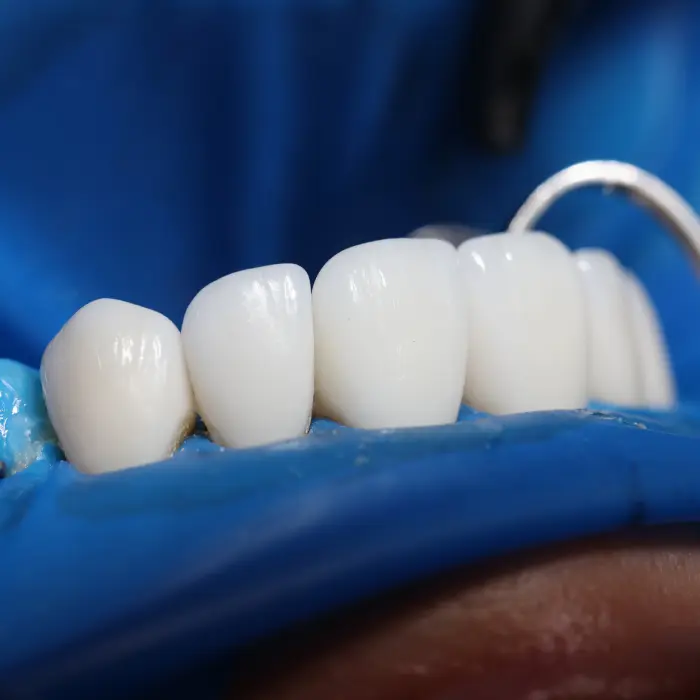
Bonding is a procedure in which a special composite resin material is applied to the tooth surface to reshape the teeth in terms of form, color, and size. The material used is a composite that can chemically bond to the tooth enamel, has high light transmittance, and mimics the natural tooth structure.
The main goal of this procedure is to achieve an aesthetic appearance with minimal intervention to the natural tooth tissue. Bonding is usually completed in a single session, without anesthesia, and pain-free.
The Purpose and Indications of Bonding
Bonding can be applied in many aesthetic and restorative (repair-oriented) cases. Below are the most common clinical situations where this method is preferred:
1. Closing Gaps Between Teeth (Diastema)
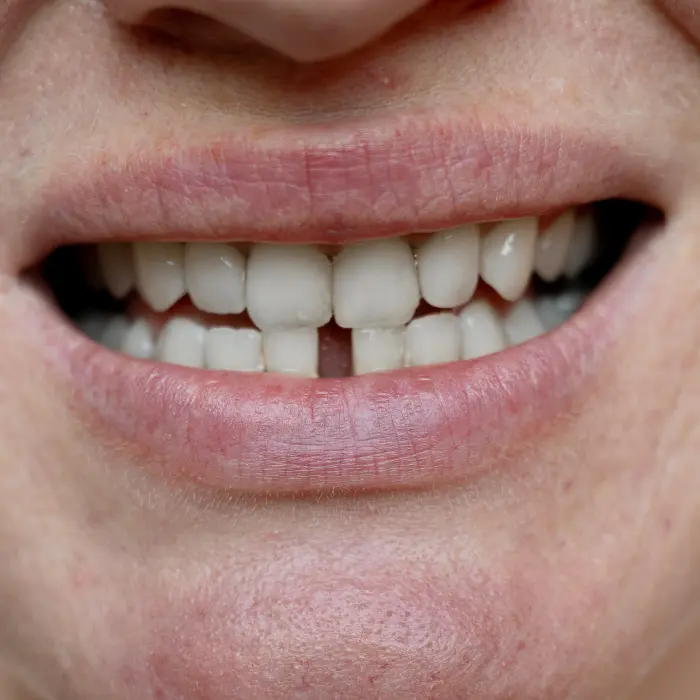
Gaps between teeth can affect smile aesthetics. With bonding, these spaces can be closed without damaging the natural tooth structure. The proportion between the teeth is restored, and the harmony of the smile line is achieved.
2. Repair of Broken or Cracked Teeth
Small fractures caused by trauma, biting hard objects, or teeth grinding can be aesthetically repaired with bonding. This way, the tooth’s function and appearance are restored in a single session.
3. Correction of Color Irregularities
Some stains or localized discolorations that occur over time may not be completely removed with whitening. The bonding material covers these areas, providing a uniform color transition.
4. Lengthening Worn or Short Teeth
Due to enamel loss or chewing habits, tooth lengths may shorten over time. With bonding, the tooth length is redesigned, creating a younger and more dynamic smile profile.
5. Shape Corrections in Smile Design
Harmony between face shape, lip line, and tooth form is crucial in aesthetics. Bonding reshapes the teeth to match facial proportions, creating a “personal signature smile.”
How Is Bonding Performed? (Step-by-Step Clinical Process)
Bonding requires precision and an artistic eye. The stages are generally as follows:
1. Examination and Digital Smile Analysis
The dentist analyzes several parameters such as the patient’s lip line, gum contour, facial proportions, and tooth alignment. With Digital Smile Design (DSD) techniques, before-and-after simulations are visualized.
2. Color Selection and Planning
Bonding materials are available in multiple shades. The dentist selects the tone that best matches the natural tooth color, ensuring perfect harmony. This step is critical for achieving a natural look.
3. Tooth Surface Preparation
The outer surface of the tooth is treated with a special etching gel (usually phosphoric acid). This allows the bonding material to adhere strongly to the tooth.
4. Application of Composite Resin
The dentist applies the selected shade of resin to the tooth surface layer by layer. Each layer is hardened using a special polymerization light. The layering technique ensures both durability and depth of color.
5. Shaping, Polishing, and Finishing
In the final stage, the natural form of the tooth is carefully sculpted. The surface is smoothed and polished with special disks, achieving a shine that closely resembles natural enamel.
Advantages of Bonding: Why Is It Preferred?
Bonding is one of the best representations of the concept of “fast aesthetic dentistry” today. Its main advantages include:
- Preserves natural tooth tissue — no trimming or grinding required.
- Usually painless — anesthesia is rarely needed.
- Can be completed in a single visit, saving time.
- Affordable — more economical than porcelain veneers.
- Easily repairable — minor damage can be locally fixed.
- Provides a natural glow and harmonious smile aesthetics.
Differences Between Bonding and Porcelain Veneers (Laminate Veneers)
| Feature | Bonding | Porcelain Laminate |
| Material | Composite resin | Ceramic/porcelain |
| Treatment time | 1 session | 2–3 sessions |
| Durability | 3–7 years | 10–15 years |
| Repairability | Easily repairable | Usually replaced completely |
| Cost | More economical | More expensive |
| Aesthetic depth | High | Very high |
| Tooth tissue loss | Minimal to none | Minimal |
Bonding is ideal for patients seeking quick aesthetic improvement, while porcelain veneers are preferred for those desiring long-term durability.
Post-Bonding Care Instructions
Bonding is a delicate material, and improper care can lead to discoloration or wear. After the procedure, it is important to follow these recommendations:
- Avoid biting hard foods.
- Stop habits like nail-biting or chewing pens.
- Limit consumption of staining substances such as coffee, tea, and tobacco.
- Brush your teeth regularly and use dental floss.
- Visit your dentist every 6 months for professional polishing.
By following these guidelines, bonding can maintain its natural shine for up to 7 years.
Tips to Extend the Lifespan of Bonding
- Regular dental check-ups: Early wear or discoloration can be easily corrected.
- Night guard use: If you have bruxism (teeth grinding), this helps prolong bonding life.
- Professional cleaning: Polishing at the clinic restores the original surface gloss.
- Healthy diet: Limiting acidic drinks helps maintain surface integrity.
Who Is Suitable for Bonding?
Bonding can be applied to adults of all ages. The ideal candidates are:
- Those with mild aesthetic imperfections
- Those who want to preserve natural tooth tissue instead of porcelain
- Those with minor fractures, cracks, or gaps between teeth
- Those seeking a quick and cost-effective smile design solution
Who Is Not Suitable?
Bonding is not recommended in some cases:
- Severe bruxism (teeth grinding)
- High chewing force on back teeth where long-term durability is required
- Heavy smokers or frequent coffee drinkers (risk of color instability)
In such cases, porcelain veneers or zirconium crowns may be better alternatives.
Frequently Asked Questions
Is bonding painful? Does it require anesthesia?
No, bonding is typically a completely painless procedure. Since no cutting or grinding is done on the tooth’s natural surface (enamel or dentin), there is no pain. The surface is only slightly etched to improve adhesion, which is not painful. Therefore, local anesthesia is usually not required.
However, in cases of excessive sensitivity or when the treatment area is close to the gumline, the dentist may apply local anesthesia for comfort. After the procedure, patients usually feel no pain or sensitivity and can eat normally the same day.
How long does the bonding procedure take?
Bonding can be completed quite quickly. It takes about 30–45 minutes per tooth. When multiple teeth are designed aesthetically, the procedure may take 1–2 hours. Comprehensive “smile design bonding” applications that reshape the entire smile line are generally completed in a single session. In some cases, the dentist may perform fine polishing or shape adjustments in a second session for perfection.
How long does bonding last?
The average lifespan of bonding is 3 to 7 years. However, this varies depending on patient habits, oral hygiene, and the dentist’s expertise. With proper care, avoidance of hard foods, and control of teeth grinding, a well-done bonding can last up to 10 years.
To extend bonding longevity:
- Brush and floss your teeth regularly.
- Reduce coffee, tea, and tobacco consumption.
- Have professional cleaning every 6 months.
- If you grind your teeth at night, use a night guard.
Can bonded teeth break?
Bonding material is quite durable and can withstand normal chewing forces for years. However, biting very hard objects (ice, nuts, pens, etc.) or teeth grinding may cause cracks or fractures. The good news is that unlike porcelain veneers, bonding is repairable. The dentist can restore the tooth’s original form easily by repairing only the damaged area — one of the biggest advantages of bonding.