
The question of whether pain occurs after dental crowns is quite common among patients considering the treatment or who have recently undergone the procedure. Mild pain and sensitivity are natural parts of the treatment process. However, jaw, mouth, gum, and other regional pain after crown treatment is generally temporary and short-lived. If the pain is persistent, long-lasting, and severe, a detailed examination by a dentist is necessary. So, how long does tooth pain last after a crown? Here’s the answer…
Does Pain Occur After Dental Crowns?
The short answer to the question of whether pain occurs after dental crowns is yes. Once the crown procedure is completed, the patient’s oral structure begins adapting to the new dental shape. During this adaptation period, mild pain and sensitivity are normal. Most of the time, the pain originates from the pressure applied to the gums. Once the adaptation process is complete, the pain usually disappears.
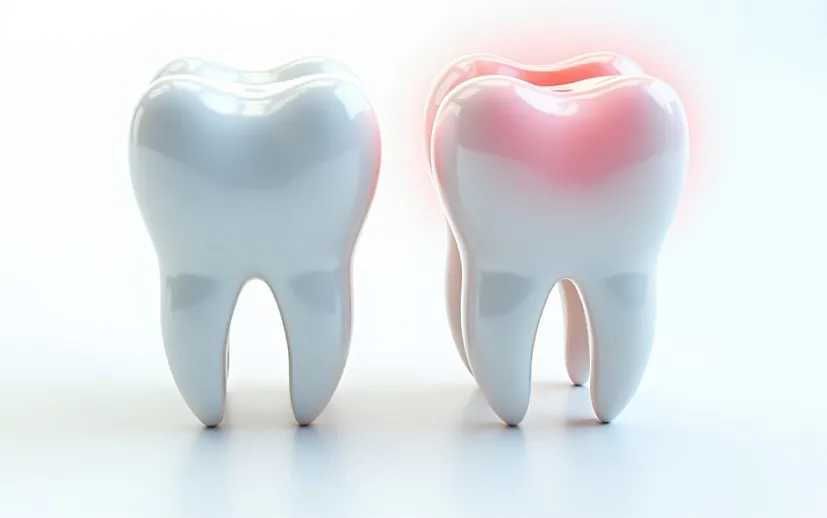
Here are the main reasons for pain after dental crowns:
- Teeth being cut close to the nerves,
- Poor fit or high placement of the crown,
- Sensitivity to adhesive materials,
- Temporary irritation of the gums after the procedure,
- Sensitivity due to inadequate oral hygiene.
Pain after dental crowns is often due to the body’s natural adaptation process and usually subsides quickly. However, if the pain is persistent, intensifies, or unusual symptoms arise, a dental consultation is recommended.
Recommended Reading: What Are the Types of Dental Crowns?
How Long Does Tooth Pain Last After a Crown?
The duration of post-crown pain depends on the type of procedure, the individual’s pain threshold, healing process, and the compatibility of the crown with the mouth. Mild pain is expected in the first few weeks after the procedure. Typically, pain lasts 1–2 weeks, although many cases resolve within 2–3 days.
If the crown is placed very close to the nerves, the pain may last longer. Therefore, the answer to how long crown-related pain lasts will vary depending on the procedure. Following post-treatment care instructions and diet guidelines can help reduce the duration of pain.
Patients who wonder if pain after crowns is normal should know that pain lasting longer than 1–2 weeks, especially if severe, requires a dental evaluation. Throbbing pain that interferes with daily life may indicate an underlying issue.
Why Does Jaw Pain Occur After Dental Crowns?
Jaw pain after a dental crown procedure is usually not caused directly by the teeth. It often results from stress on the jaw muscles during or after the procedure. Long procedures that require keeping the mouth open for extended periods, and efforts to perfectly align the crown, can cause jaw discomfort. The pain may be general or localized on one side.
Common causes of jaw pain after crowns include:
- High Crown Placement: Can increase pressure on the jaw joints, leading to pain.
- Jaw Muscle Strain: Long sessions may exhaust jaw muscles and cause spasms.
- Teeth Grinding: May worsen jaw tension during crown adaptation.
- Misalignment: Crowns not aligned to the natural bite may trigger jaw pain.
If you’re experiencing jaw pain after a crown, know that this is usually temporary. As you adjust to the crown, the pain should subside. However, persistent pain lasting more than a few days should be examined by a dentist.
Recommended Reading: How Long Does Pain Last After Dental Implants?
Can Dental Crowns Cause Headaches?
Headaches after a dental crown procedure are rare but possible. Causes may include misaligned bite, excessive pressure during chewing, or teeth grinding habits. Jaw muscle overuse can also trigger headaches. Although these pains are usually temporary, it’s advisable to use painkillers as prescribed by your dentist.
Why Do Gums Hurt After a Crown?
Gum pain after a crown procedure can occur as a normal part of healing, but it may also result from external factors and should be monitored by a dentist. In the early days after treatment, mild gum discomfort is common as tissues react to the dental work.
Common causes of gum pain after crowns include:
- Pressure from Crown Edges: Poorly fitted crowns can press on the gums, causing pain.
- Residue: Leftover adhesive materials may inflame the gumline and cause pain.
- Poor Oral Hygiene: Persistent gum pain may be linked to inadequate oral care.
- Tartar and Bacterial Buildup: Neglecting proper brushing techniques can lead to bacteria buildup and gum pain.
Gum pain is considered normal in the first few days. If the pain is severe and doesn’t resolve, the underlying cause should be investigated by a professional.
Recommended Reading: Post-Crown Care Tips
What to Do for Persistent Pain After Dental Crowns?
Pain that persists beyond 1–2 days and worsens may be due to hidden decay, nerve involvement, or infection. While prescribed painkillers can provide temporary relief, permanent solutions require a dental consultation. You should follow your dentist’s treatment plan to identify and address the root cause.
How to Relieve Pain After Dental Crowns?
Although crown-related pain is usually temporary, patients may seek relief strategies. During this period, paying attention to a few key factors can increase your comfort and reduce pain levels. These simple methods can help you manage pain more comfortably:
- Painkillers: Use as prescribed by your doctor or dentist.
- Cold Compress: Applying a cold pack to the outside of the cheek can reduce inflammation and pain.
- Proper Diet: Avoid hard, sticky, or very hot/cold foods. A proper diet can help shorten the pain duration.
- Oral Hygiene: Keep the area clean to prevent plaque buildup. Use recommended mouthwash, toothpaste, and brushes.
- Night Guards: For those with bruxism (teeth grinding), a night guard may be recommended by the dentist.
Remember, pain after dental crowns is generally temporary, and the above methods can help shorten the duration. If the pain is persistent, intense, or throbbing, consult your dentist for a detailed evaluation.