The question “Does pain occur after an implant?” is one of the primary concerns for patients during the decision-making process. Since implant placement is a surgical procedure, some pain may occur afterward for various reasons. However, the duration and intensity of this pain are very important. So, how many days does the pain last after an implant? Here’s the answer…
Does Pain Occur After an Implant?
Since local anesthesia is applied during implant treatment, pain is generally not felt during the procedure. However, due to the interventions on the jawbone and gum tissues, a certain level of pain may occur afterward. Therefore, the short answer to the question “Does pain occur after an implant?” is yes. But this pain is usually manageable and temporary.
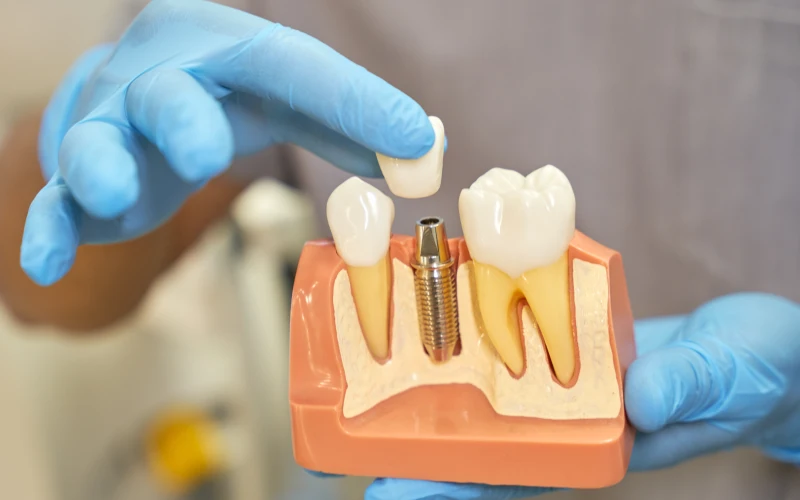
Pain after implant treatment may be accompanied by mild bleeding, sensitivity, and swelling. This is considered part of the body’s natural healing process, but it should definitely be monitored by a specialist dentist. Post-implant pain can be greatly alleviated with the medications and care routines recommended by the dentist.
Common symptoms of pain after implant treatment include:
- Pressure-like pain in the treated area,
- Mild bruising or swelling on the relevant part of the face,
- Edema and sensitivity in the gums,
- Mild bleeding around the implant,
- Pain during chewing or swallowing,
- Mild fever (rare, may indicate infection).
What Causes Pain After an Implant?
In addition to wondering whether pain occurs after an implant, understanding the causes of this pain is also important. The most basic reason for the pain after treatment is the trauma to the soft tissue and bone structure in the area where the implant is placed. These tissues become sensitive after the surgery and may cause pain when touched or during chewing.
Another cause of pain after an implant is a possible infection. Tissue damage during the procedure, insufficient oral hygiene, and habits like smoking can lead to infections. This may require antibiotics and painkillers, potentially slowing down the healing process.
One other critical factor is the failure of the implant to properly fuse with the jawbone. This generally becomes apparent within the first 6 months and can cause intense pain. Chronic health conditions, poor bone quality, or improper implant placement can contribute to this issue. Detailed evaluation and planning before the procedure are essential to avoid such complications.
In most cases, post-implant pain is a natural part of the healing process. Pain, swelling, or bruising that lasts for a few days in the treated area is considered normal. However, if the pain becomes severe, persists for an extended time, or is accompanied by heavy bleeding, a dentist should be consulted immediately.
How Many Days Does Pain Last After an Implant?
The duration of pain after implant treatment may vary from person to person. However, in most patients, the pain subsides and disappears within 3 to 7 days. During the first 24 hours, due to anesthesia and painkillers, pain is usually not felt. Once the medication wears off, localized sensitivity, swelling, pain, and mild bruising may occur. These symptoms typically begin to decrease within 2–3 days, and significant relief is expected by the 5th day.
By the 7th day, pain should have completely subsided for most patients. However, if the pain worsens or becomes throbbing during this period, it may be a sign of infection.
In cases of persistent symptoms such as fever, foul-smelling discharge, or prolonged pain, a visit to the dentist is necessary. For the healing process to proceed normally, it’s essential to take the prescribed painkillers regularly, follow the care instructions, and avoid hard, hot, or cold foods for a while.
How to Relieve Pain After an Implant?
Alongside wondering whether pain occurs after an implant, many patients also want to know how to relieve this pain. Mild to moderate pain is quite normal after the procedure, especially within the 3–7 day window, during which it is expected to fully subside.
However, in some cases, more severe pain may be experienced. In such situations, follow your dentist’s recommendations. Here are some suggestions for managing post-implant pain:
- Cold Compress: Within the first 24 hours, apply an ice pack to the area for 20 minutes on, 20 minutes off to reduce pain and swelling.
- Consume Soft and Warm Foods: Prefer soft or liquid foods like yogurt, soup, and mashed potatoes. Avoid very hot or cold foods.
- Take Medications Regularly: Use the prescribed painkillers regularly as directed by your dentist.
- Oral Hygiene: Brush your teeth as advised by your dentist and use antibacterial mouthwash to prevent infections.
- Other Tips: Rest well and stay hydrated to support your immune system. Limit talking and jaw movement in the first few days. If you smoke, stop for the duration recommended by your dentist.
Always consult your dentist regarding the methods you use to manage pain after an implant. By following your dentist’s care instructions and medication plan, you can significantly reduce your discomfort.
What Helps Relieve Post-Implant Pain?
The most effective way to manage pain after implant treatment is to use the painkillers prescribed by your dentist regularly and on time. Cold compresses applied within the first 24 hours can help reduce swelling and relieve potential pain. In case of worsening pain, consult your dentist for additional recommendations.
Pain After Implant Treatment: What to Pay Attention To
Pain after implant treatment is usually temporary and part of the natural healing process. As one of the body’s responses to the procedure, pain tends to fade over time with proper care, timely medication use, and consistent hygiene practices. Especially during the first few days, careful attention to the implant site reduces the risk of complications.
Important points to keep in mind for managing pain after implant treatment:
- Apply a cold compress within the first 24 hours to reduce swelling and pain.
- Use the prescribed painkillers correctly and regularly.
- Eat warm and soft foods instead of hard or extremely hot/cold items.
- Avoid smoking and alcohol as they delay healing. Follow your dentist’s advice.
- Gently brush the sutured area with the toothbrush recommended by your dentist.
- Attend all follow-up appointments for early detection of any hidden issues.
Adhering to the above rules during the healing process helps the implant integrate effectively with the jawbone and alleviates pain. Otherwise, prolonged pain, infection, and other risks may arise. Keep in mind that every patient heals differently, and personalized care plans may be required accordingly.