Gingivitis is a common oral health problem that affects a large part of the population, often progressing unnoticed. Medically known as “gingivitis,” this condition is the inflammatory response of the gums to bacterial plaque. Usually, the bacterial layer (plaque) that accumulates on the teeth hardens over time and turns into “tartar.” These deposits irritate the gum line, causing symptoms such as redness, swelling, bleeding, and sensitivity.
Unfortunately, many people consider these symptoms “insignificant”; however, if left untreated in the early stages, this inflammation can spread to the bone surrounding the tooth root, leading to tooth loss.
Gingivitis is not just an aesthetic problem; if untreated, it affects the entire oral ecosystem and can even impact other organs such as the cardiovascular and digestive systems.
What is Gingivitis?
Gingivitis is the inflammation of the soft tissues surrounding the teeth caused by a bacterial infection. This inflammation usually results from irritation caused by plaque and tartar on the tooth surfaces.
The mouth naturally contains millions of bacteria; however, when proper oral hygiene is neglected, these bacteria accumulate along the gum line and start producing toxins. These toxins damage the gum tissue, and the body’s immune system responds by initiating inflammation. This process manifests as swelling, sensitivity, and bleeding in the gums.
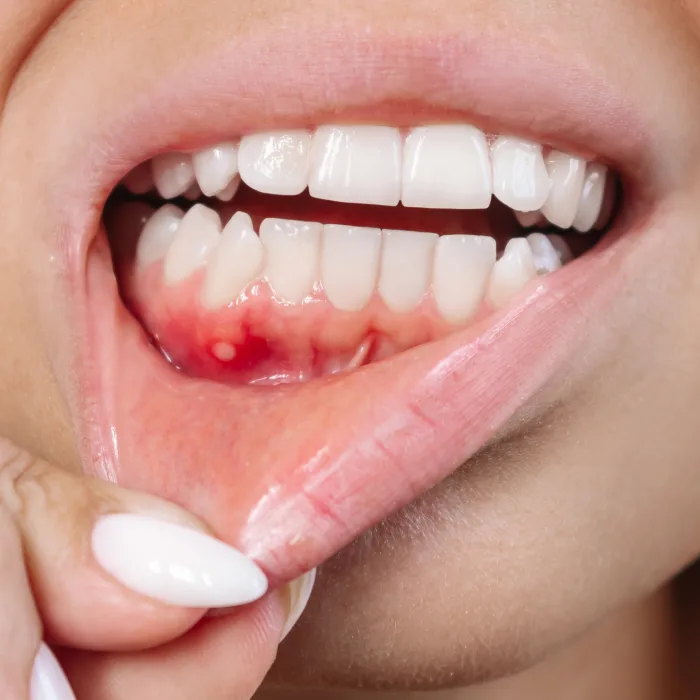
Healthy gums are light pink, firm, and do not bleed during brushing. When inflammation develops, the color turns red, the tissue swells, and even slight contact can cause bleeding. At this stage, the attachment between the tooth and gum weakens, making it easier for bacteria to penetrate below the gum line. If this process is not stopped early, the inflammation can reach the bone surrounding the tooth root. This advanced stage is called “periodontitis” and is difficult to reverse.
Therefore, gingivitis is the first stage in tooth loss, and timely treatment is critical for oral health.
Causes of Gingivitis
The main cause of gingivitis is bacterial plaque accumulation; however, there are several factors that facilitate its development.
The primary reason is poor oral hygiene. Irregular brushing, not using dental floss, or incorrect brushing techniques allow bacteria to proliferate along the gum line. These bacteria quickly harden to form tartar and damage the gums.
Additionally, smoking reduces blood flow to the gums, impairing tissue nourishment. Gingival diseases in smokers progress more subtly, as inflammation may not show obvious redness or bleeding, leading to delayed diagnosis.
Hormonal changes can also increase gum sensitivity. “Pregnancy gingivitis” is common during pregnancy. Similarly, puberty, menstruation, and menopause can increase gum sensitivity due to hormonal fluctuations.
Poor nutrition —especially vitamin C deficiency— reduces the tissue’s ability to repair itself. Stress also contributes to this process because a weakened immune system lowers natural defense against bacteria.
Finally, teeth grinding (bruxism), improper fillings, or prosthetics can create continuous mechanical pressure along the gum line, increasing the risk of inflammation.
Therefore, gingivitis is a multifactorial condition that develops due to a combination of lifestyle, genetic predisposition, and hygiene habits, not a single cause.
Symptoms of Gingivitis
Gingivitis usually progresses silently. Since it is painless at first, many people do not notice it. However, there are some early warning signs that should not be ignored.
The first noticeable symptom is usually bleeding while brushing or using dental floss. Healthy gums do not bleed, so even slight bleeding indicates inflammation. Additionally, gums may become swollen, red, and tender to touch. A persistent bad taste or odor (halitosis) may also occur.
Some patients feel fullness in the gums upon waking or describe discomfort while brushing. This is caused by pressure from bacteria accumulating beneath the gums.
In advanced cases, gums recede, forming spaces called “pockets” where food debris collects and bacteria multiply. As a result, gum recession exposes the tooth roots, affecting aesthetics and causing temperature sensitivity in the teeth.
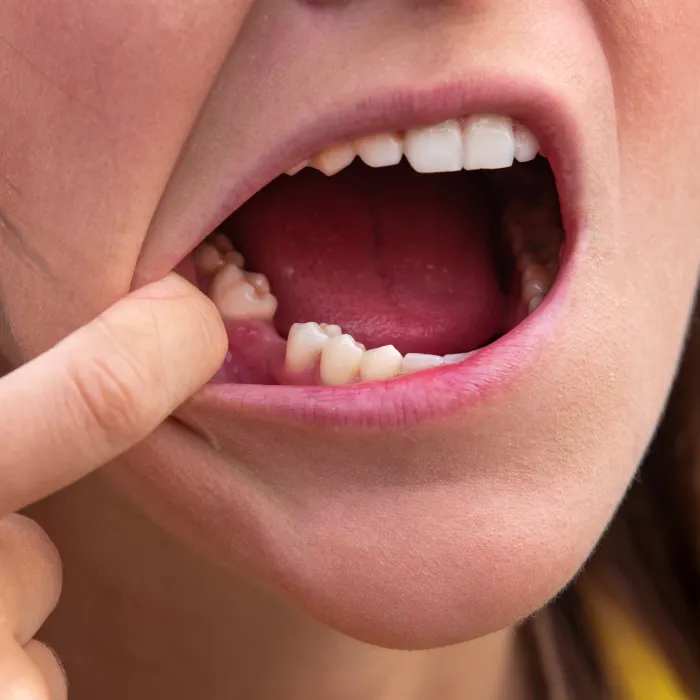
If left untreated, gingivitis eventually leads to bone loss around the teeth, causing them to loosen. Early detection and intervention are the only ways to prevent tooth loss.
Treatment of Gingivitis
Gingivitis treatment is planned according to the severity and spread of the disease. The goal is to eliminate the cause of inflammation, restore gum health, and prevent recurrence.
The first step is professional dental cleaning (scaling). In this procedure, plaque and tartar are removed from the teeth using ultrasonic devices, relieving irritation on the gum tissue. Within a few days after cleaning, bleeding and sensitivity decrease, and the gum color begins to return to normal.
In more advanced cases, root surface planing (curettage) is performed under local anesthesia to remove inflamed tissue beneath the gums. This allows the gum to reattach to the tooth and close the pockets where bacteria may hide.
In some cases, especially when bone loss has started, surgical intervention (flap surgery) may be required. During this procedure, the gums are lifted to access the root and bone, infected tissues are removed, and bone grafts may be applied if necessary.
Antibacterial medications and mouthwashes are used as supportive treatments to control inflammation. Solutions containing chlorhexidine are usually effective, but long-term use can cause tooth discoloration, so they should only be used under the supervision of a dentist.
After treatment, the maintenance phase is as important as the treatment itself. Patients should learn proper brushing techniques, use dental floss regularly, and have professional cleanings every six months. Gingivitis can recur if oral hygiene is neglected, even after treatment.
Tips for Maintaining Gum Health at Home
Gum health can be maintained not only through clinical treatment but also through regular care habits.
The first rule is brushing your teeth at least twice a day with proper technique. Brushing with circular motions that gently massage the gums increases blood circulation and prevents plaque formation.
Using dental floss or interdental brushes is essential for cleaning bacteria between teeth.
Mouthwashes help maintain bacterial balance but do not replace brushing; they are only supportive.
Nutrition also plays an important role in gum health. Vitamin C-rich fruits (orange, kiwi, strawberry) accelerate gum tissue healing with their antioxidant content.
Additionally, avoiding smoking and tobacco products regulates blood flow to the gums and speeds up healing.
Regular dental check-ups are crucial for healthy gums. Professional cleaning at least twice a year prevents recurrence of gingivitis and protects overall oral health.
What Happens If Gingivitis Is Left Untreated?
Untreated gingivitis quickly progresses to periodontitis. In this case, inflammation affects not only the gums but also the bone surrounding the teeth.
As the bone deteriorates, teeth begin to loosen and may eventually require extraction.
More importantly, chronic oral infection allows bacteria to enter the bloodstream, potentially causing systemic issues such as cardiovascular disease, diabetes, and preterm birth.
In short, untreated gingivitis risks not only your teeth but your overall health.
Early professional cleaning can completely break this chain. Therefore, if you notice bleeding, bad odor, or swelling in your gums, you should consult a dentist immediately.
Frequently Asked Questions
Can gingivitis heal on its own?
No. Inflammation cannot be eliminated without removing plaque and tartar. Home rinses only provide temporary relief.
Does gingivitis cause pain?
It usually progresses without pain, so it goes unnoticed. However, as inflammation advances, throbbing, pressure, and sensitivity may occur.
Can pregnant women get gingivitis?
Yes. Hormonal changes make gums more sensitive. This condition is commonly called “pregnancy gingivitis.”
Can gum recession be reversed?
If inflammation is controlled early, recovery is possible; in advanced recession, a gum graft may be needed.
Which mouthwash should be used for gingivitis?
Antibacterial mouthwashes containing chlorhexidine are effective. However, long-term use can cause tooth discoloration, so use under dentist supervision.
Healthy Gums Are the Foundation of a Healthy Smile
Gingivitis is a fully treatable disease if diagnosed early. Neglect, however, can lead to tooth loss and even systemic health problems.
With regular care, proper nutrition, and dental check-ups, you can protect your gums and maintain a healthy smile.
At Ömer Istanbul Dental Center, we provide modern equipment and experienced dentists for early diagnosis and treatment of gum diseases.
If you notice bleeding, swelling, or sensitivity in your gums, contact us without delay.