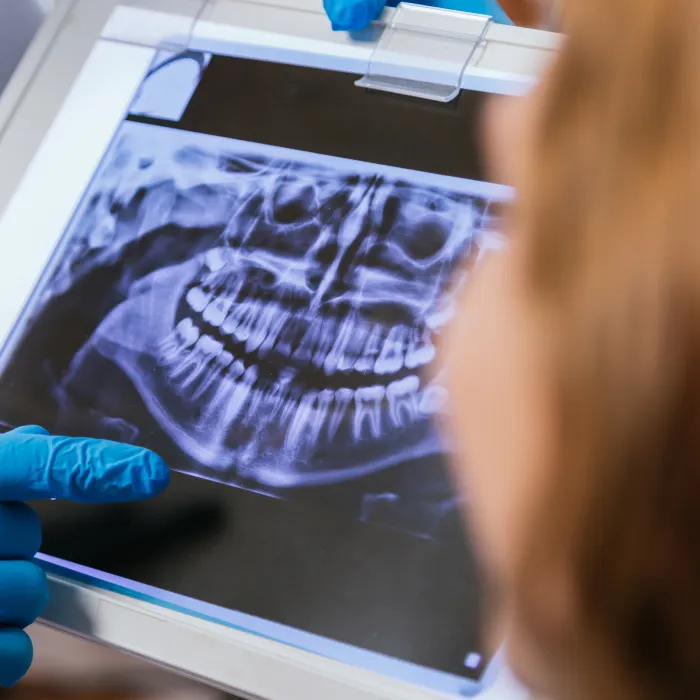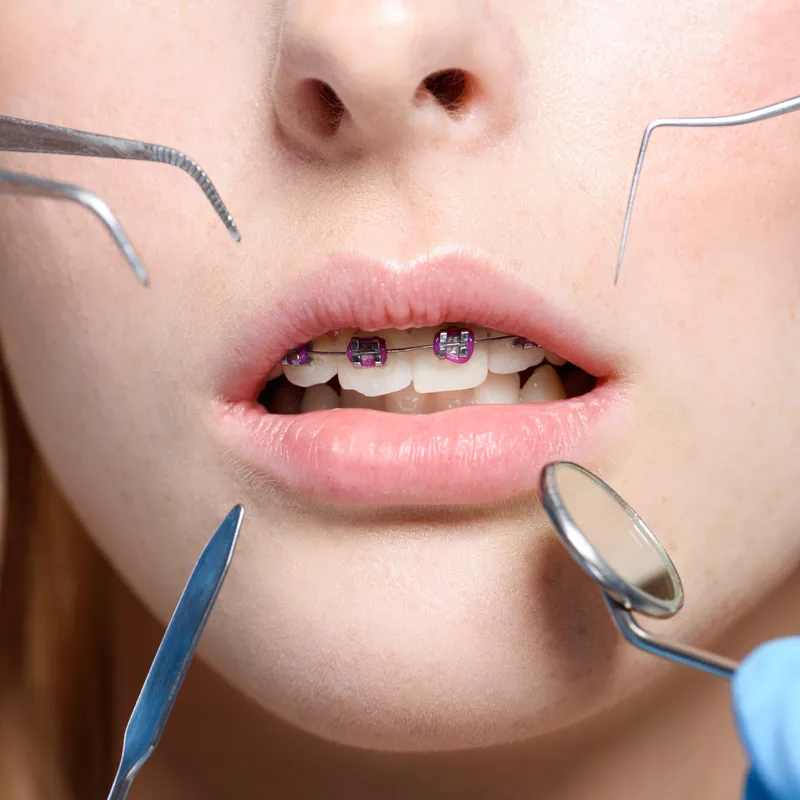
Orthodontics, commonly known as “braces treatment,” is actually the process of ideally positioning the jaw and teeth.
The main goals of the treatment:
- Correct crowded teeth
- Fix jaw misalignments (open bite, crossbite, etc.)
- Improve chewing function
- Provide an aesthetic smile
- Maintain gum and jaw health
Patients often say when they first come: “Doctor, I only came for aesthetics.” But after the treatment, they often report: “Now I chew more comfortably, and my jaw doesn’t hurt.”
How Long Does Orthodontic Treatment Take? Average Durations
Each case is different, but the general averages are:
- Mild crowding: 6–12 months
- Moderate crowding: 12–18 months
- Severe cases: 18–24 months
- Cases requiring jaw surgery: 24–36 months
Treatment time is shorter in children due to more flexible bones. In adults, bone density increases, so the process may take longer.
Factors That Determine Treatment Duration
1. Age Factor
- Children: Treatment progresses faster during growth. For example, mild crowding at age 10 can be resolved in 9–12 months.
- Teenagers: Bones are still developing during adolescence, so treatment is shorter than in adults.
- Adults: Treatment is possible but usually takes 18–24 months.
2. Severity of Crowding
- Small gaps or mild crowding: Can be corrected with clear aligners in 6–9 months.
- Moderate crowding: Braces for 12–18 months.
- Severe cases: 2–3 years.
3. Treatment Method Used
- Metal Braces: The fastest and most durable method.
- Ceramic / Aesthetic Braces: More aesthetic but friction is higher → may take slightly longer.
- Lingual Orthodontics (inside braces): Invisible from outside, but duration is usually 1–2 months longer.
- Clear Aligners (Invisalign, etc.): Aesthetic advantage. However, short duration depends entirely on patient compliance (20–22 hours/day).
4. Patient Compliance
- Attending appointments regularly
- Not damaging braces
- Wearing clear aligners for the full duration
- Maintaining oral hygiene
Even a compliant patient may extend treatment by 3–4 months if braces are frequently damaged.
5. Additional Procedures
- If extractions are needed → duration increases by 2–4 months.
- If jaw surgery is needed → total treatment can take 2–3 years.
Step-by-Step Orthodontic Treatment Process
1. Examination and Planning (1–2 Weeks)
- Clinical examination, panoramic X-ray, and if necessary, cephalometric X-ray.
- Digital scanning and measurements.
- Customized treatment plan prepared.
2. Preparation Stage (1–2 Weeks)
- Extractions if necessary.
- Fillings and oral cleaning completed.
- Oral hygiene education provided.
3. Braces or Aligner Application (1 Day)
- Metal/ceramic braces bonded to teeth.
- First set of clear aligners delivered if applicable.
4. Regular Check-Ups (Every 4–6 Weeks)
- Braces tightened or new aligners given.
- This process continues on average for 12–24 months.
5. Retention Phase (6–12 Months)
- Retainers (clear aligner or fixed wire) used to prevent teeth from shifting back.
- This phase is the most critical for treatment success.
Treatment Duration by Orthodontic Type
Metal Braces
- Average: 12–24 months
- Advantage: Faster tooth movement.
- Disadvantage: Highly visible.
Ceramic Braces
- Average: 14–26 months
- Advantage: More aesthetic.
- Disadvantage: Higher friction → slightly longer duration.
Lingual Orthodontics (Inside Braces)
- Average: 18–30 months
- Advantage: Invisible from outside.
- Disadvantage: May irritate the tongue; duration may be longer.
Clear Aligners (Aligner)
- Average: 6–18 months
- Advantage: Invisible, removable.
- Disadvantage: If patient does not wear aligners enough, treatment may take 1–2 years.
Tips to Shorten Treatment Duration
- Do not miss appointments
- Avoid damaging braces (avoid hard foods)
- Maintain oral hygiene
- Wear clear aligners at least 20–22 hours/day
- Use retainers regularly during the retention phase
Results of Orthodontic Treatment
Aesthetic Benefits
- Symmetrical, straight, and white teeth
- More youthful and aesthetic appearance
- Increased confidence when smiling
Functional Benefits
- Improved chewing function
- Reduced jaw joint pain
- Maintained gum health
Psychological Benefits
- More comfortable smiling in social life
- Boosted self-confidence
- Higher quality of life
Frequently Asked Questions
Does orthodontic treatment cause pain?
There is pressure during the first few days, but it usually subsides within a few days.
Do teeth move back after orthodontic treatment?
If a retainer is not used, teeth may shift back.
Is clear aligner treatment faster than braces?
For mild–moderate crowding, clear aligners can be faster, but in severe cases, braces are more effective.