Many people who experience tooth loss prefer dental implants to compensate for their aesthetic and functional losses. However, one of the most frequently asked questions by patients is: “How durable are implants really?”
In this guide, you can find every detail about the factors that determine implant durability, the materials used, maintenance processes, and long-term usage examples.
What Determines the Durability of Implants?
The strength of an implant does not only depend on the quality of the titanium screw placed in the jawbone. The following factors have a direct impact:
Material Used
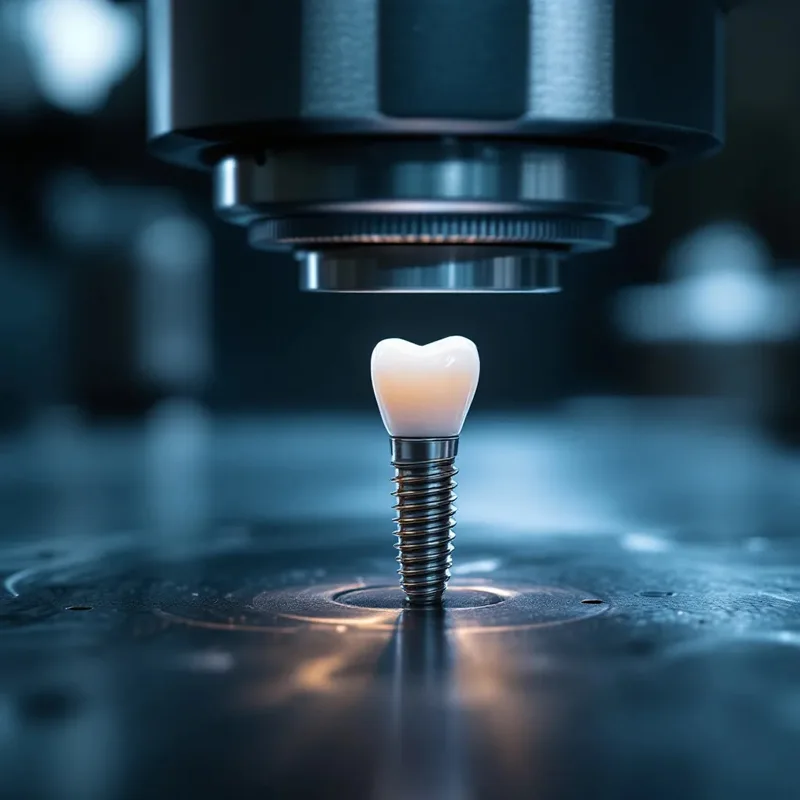
Most implants are made of biocompatible titanium. Titanium is both lightweight and highly strong. It does not rust and is very unlikely to be rejected by the body. In recent years, zirconia implants have also become popular. These implants are durable and provide a more aesthetic appearance.
Jawbone Quality
Sufficient bone volume is required for the implant to be securely placed. If bone density is low, additional treatments (bone graft, sinus lift, etc.) may be necessary.
Quality of Surgical Procedure
The experience of the dentist placing the implant is very important. An implant placed at the wrong angle or with excessive pressure can cause long-term problems. This precision is even more critical in All-on-4 and All-on-6 implant treatments.
Patient’s Oral Care
Regular brushing, flossing, and check-ups extend the lifespan of implants. Patients who neglect oral hygiene may develop peri-implantitis (inflammation around the implant).
Average Lifespan of Implants
According to scientific research:
- Success rate in the first 10 years is 90–95%.
- Implants that receive regular maintenance can function 30–40 years without issues.
- There are even implants that remain healthy for a lifetime.
For example, a study conducted by Harvard Dental Medicine reported that 85% of implants followed for 20 years continued to function without problems.
Durability of Implants in Daily Life
Patients often ask the following questions:
- Can I bite an apple with an implant? → Yes. After the healing process is complete, you can consume hard foods just like natural teeth.
- Can implants break if I fall or get hit? → Severe trauma may damage the bone around the implant, but since the implant itself is titanium, the risk of breakage is very low.
- Does smoking affect implants? → Yes. Smoking slows tissue healing and increases the risk of losing the implant in the long term.
Technologies That Increase Implant Durability
Today, implant treatment has become much safer and more durable thanks to technological advancements:
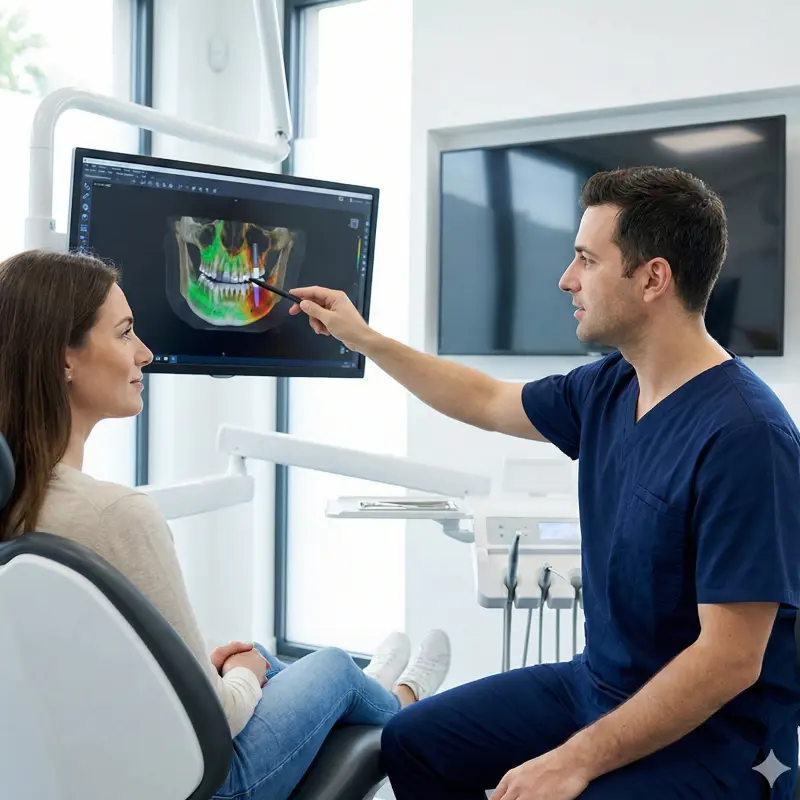
3D Tomography with Digital Planning
- 3D Tomography allows the jaw structure to be examined with millimeter precision.
- The implant placement angle and position are planned in advance.
Guided Surgery
- With computer-assisted surgical guides, the implant is placed at the most accurate position.
Surface Technologies
- The surface of titanium implants is roughened with special treatments.
- This ensures faster bonding with the bone (osseointegration).
Failure Risks and Solutions
Although implants are strong, problems may rarely occur.
- Insufficient Bone: Grafts or zygomatic implants can be applied.
- Peri-implantitis: Can be prevented with regular maintenance and dentist check-ups.
- Mechanical Issues: Prosthetic loosening or screw breakage may occur, but the implant itself usually remains in place.
How to Maintain Implant Durability
- Regular Tooth Brushing (at least twice a day).
- Use of Dental Floss and Interdental Brushes.
- Dental Check-ups every 6 months.
- Avoid smoking and excessive alcohol consumption.
- If you have teeth grinding (bruxism), use a night guard.
Are Implants Stronger Than Natural Teeth?
- Natural teeth have nerves, so they can protect themselves under excessive force.
- Implants do not contain nerves. Therefore, they may take more force in cases like teeth grinding.
- However, in terms of material, implant screws made of titanium are more durable.
In conclusion: Implants can be as strong as natural teeth and, under proper conditions, may even last longer.
Frequently Asked Questions
1. Do implants last a lifetime?
Dental implants are a treatment method that can be used for a lifetime under proper conditions. The critical points are:
- The implant is made of high-quality material,
- It is placed using the correct surgical technique,
- The patient maintains regular oral hygiene.
Studies show that many implants placed 20–30 years ago still function without issues. However, lifetime use must be supported by the patient’s responsibilities. Neglecting brushing, skipping check-ups, or continuing to smoke can shorten the implant’s lifespan.
2. Can an implant break?
The implant itself (titanium or zirconia screw) is very durable and rarely breaks. However, problems may occur in the following situations:
- Cracks or breaks in the prosthetic: The porcelain or zirconia crown placed on the implant may crack, especially due to continuous biting of very hard foods or teeth grinding habits.
- Screw loosening: Very rarely, the implant screw may loosen, requiring dentist intervention.
Note: The implant itself only breaks under severe trauma (e.g., traffic accidents, serious facial impact).
3. Do implants work in elderly patients?
There is no upper age limit for implant treatment. The determining factors are the patient’s general health and jawbone quality.
- Ages 65–75: Many patients in this age group can benefit from implant treatment without issues. Implants greatly improve the quality of life for elderly individuals struggling with dentures.
- Over 80 years old: If bone density is sufficient and chronic conditions are under control, implant treatment is possible.
4. What is the risk of implant failure?
The failure rate is very low but not zero. Literature reports a 90–95% success rate in the first 10 years.
Factors that may lead to failure:
- Failure to integrate with bone (osseointegration issue): Usually occurs within the first few months.
- Inflammation (peri-implantitis): Tissues around the implant may become inflamed due to insufficient oral hygiene.
- Smoking: Negatively affects healing and increases failure risk.
5. Can I eat hard foods after getting implants?
Yes, once the implant is fully integrated, you can use it like natural teeth. You can comfortably consume hard foods such as apples, nuts, and meat.
However, pay attention to:
- During the first 3–4 months, avoid very hard foods until the implant fully integrates with the bone.
- Porcelain crowns on implants are as strong as natural teeth, but breaking ice or opening hard-shelled foods with your teeth can still be risky.
6. Does smoking affect implants?
Yes, smoking is one of the major causes of implant failure because:
- Smoking reduces blood circulation to the gums.
- It slows down the healing process.
- It increases the risk of peri-implantitis (inflammation around the implant).
Implant loss rates in smokers are 2–3 times higher than in non-smokers. Therefore, smoking should at least be stopped during the implant treatment process.
For Long-Term Durability
Implants are among the strongest and longest-lasting treatment methods in modern dentistry.
- With high-quality materials, correct surgical technique, and regular maintenance, implants provide the closest solution to natural teeth.
- Under proper conditions, they can last 30–40 years, or even a lifetime.
If you are experiencing tooth loss, implant treatment offers a safe solution both aesthetically and functionally.