Bacteria and viruses that enter the body are confronted by the immune system’s defense mechanisms. White blood cells and other defensive cells work hard to eliminate harmful organisms and prevent disease. Thanks to this, our body often overcomes microbial threats before they cause illness. An abscess is the result of this defense and attack process — a collection of pus that forms within the body. The yellowish fluid, which consists of dead cells, destroyed red blood cells, and microbial debris (whether infected or sterile), is called pus; and the sac where this pus accumulates is known as an abscess.
The Invisible Enemy of Your Smile: What Is a Dental Abscess?
Our teeth are not only essential for an aesthetic smile but also for a healthy digestive system and a strong immune defense.
However, sometimes an invisible battle begins deep within a tooth. The small pockets filled with pus that result from this battle — known as dental abscesses — represent the body’s effort to fight infection.
A dental abscess occurs when bacteria invade the tooth or surrounding tissues, causing infection. The immune system responds, sending white blood cells to destroy the bacteria. When the cells, bacteria, and tissues die off, they form pus. If this pus cannot be expelled, the body encapsulates it — forming what is called an abscess.
In short, an abscess acts as a “defensive fortress,” but if left untreated, it can turn into a threat from within.
How Does a Dental Abscess Form?
A dental abscess usually develops when the inner layer of the tooth (the pulp) becomes infected. The pulp is the tooth’s core — containing nerves, blood vessels, and connective tissue. Cavities, cracks, gum recession, or leaking fillings allow bacteria to reach the pulp. The immune system attacks to stop the infection, but sometimes pus accumulates in the area and forms an abscess when it cannot drain.
The most common causes of abscess formation include:
- Untreated deep tooth decay
- Gum diseases (gingivitis and periodontitis)
- Broken or cracked teeth (especially after trauma)
- Failed root canal treatments or leaking fillings
- Impacted wisdom teeth where bacteria accumulate around the gum
- Weakened immune system, stress, or diabetes
If the infection is not treated in time, bacteria may spread to the bone tissue or even enter the bloodstream.
Types of Dental Abscesses
1. Periapical Abscess (Root Tip Abscess)
This type occurs at the tip of a tooth’s root. Bacteria invade the inner pulp and cause infection in the surrounding bone tissue.
Symptoms:
- Throbbing, pulsating tooth pain
- Sensitivity to hot or cold
- Pressure pain while chewing
- Facial swelling in advanced cases
Treatment: Usually treated with root canal therapy (endodontic treatment). In severe cases, the abscess is drained, and infected tissue is cleaned.
2. Periodontal Abscess (Gum Abscess)
This abscess forms when infection accumulates in the space between the gums and the tooth root. As gum disease progresses, these pockets deepen, providing an ideal environment for bacteria.
Symptoms:
- Swollen, red, and tender gums
- Loose or mobile teeth
- Bad breath
- Pus discharge from the gum
Treatment: Deep cleaning of the gum pockets, abscess drainage, and antibiotic therapy if necessary. Ongoing periodontal maintenance is crucial.
3. Pericoronal Abscess (Impacted Tooth Abscess)
Most common around wisdom teeth. When the gum is partially opened, food particles and bacteria can enter the area, leading to infection.
Symptoms:
- Jaw pain and difficulty opening the mouth
- Pain radiating to the throat
- Swelling and difficulty swallowing
- Fever and fatigue
Treatment: The pus beneath the gum is drained, and the area is sterilized. If the wisdom tooth is problematic, extraction may be planned.
Dental Abscess Symptoms: Reading Your Body’s Signals
A dental abscess often begins as a “mild toothache” but quickly intensifies. The body sends various warning signals:
- Constant, throbbing toothache
- Swelling in the face, jaw, or neck
- Fever, chills, fatigue
- Bad breath or foul taste
- Difficulty opening the mouth
- Discomfort while swallowing
- Pus discharge from the gums
- Facial asymmetry due to swelling
These are signs that your immune system is fighting infection. However, if the battle continues too long, bacteria can spread to other parts of the body — requiring immediate dental intervention.
How Is a Dental Abscess Diagnosed?
In modern digital clinics like Ömer Istanbul Dental Center, diagnosis involves several steps:
- Clinical Examination: The dentist inspects the infected area and checks for tenderness.
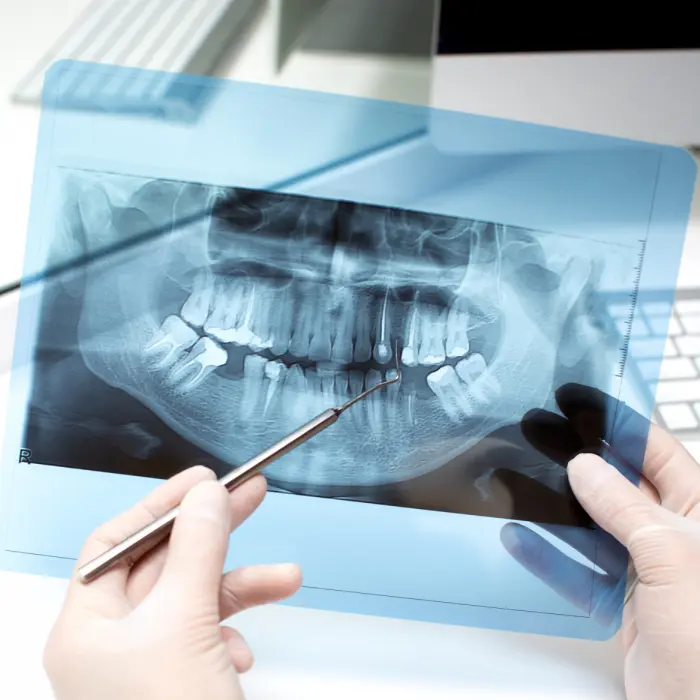
- Radiography (Panoramic X-ray): Reveals the depth of infection and root-end lesions.
- 3D Tomography (CBCT – Papaya 3D): Measures the spread of infection to bone and its relation to nerves with millimetric precision.
- Vitality Test: Checks whether the tooth nerve is still alive.
This allows the dentist to identify the exact cause — whether it’s the root, canal, or gum — and avoid unnecessary extractions.
Treatment of Dental Abscess
1. Root Canal Treatment (Endodontic Therapy)
If the abscess originates from the root, root canal therapy is the most effective solution. The infected nerve tissue is removed, the canals are disinfected, and sealed with a special filling material. With modern endodontic devices (such as VDW Reciproc, Apex Locator), this procedure is painless and often completed in a single session.
2. Antibiotic Therapy
If the infection has spread to surrounding tissues, antibiotics are prescribed. However, antibiotics only slow the spread of infection; complete healing requires mechanical intervention (drainage or root canal treatment).
3. Drainage (Abscess Drainage)
For large or deep abscesses, the dentist performs a small incision under local anesthesia to drain the pus. This provides immediate relief, followed by antibiotic and antiseptic treatment to clear the infection completely.
4. Tooth Extraction (Last Resort)
If the tooth root is severely damaged or unresponsive to treatment, extraction may be necessary. After the infection is cleared, implants or dental bridges can be planned.
Post-Treatment Care and Recovery
After treatment, follow these recommendations:
- Avoid hot foods and drinks for 24 hours.
- Take antibiotics and painkillers as prescribed by your dentist.
- Apply cold compresses for the first 12 hours, then use warm saltwater rinses.
- Avoid brushing the infected area but keep other teeth clean.
- Attend follow-up appointments; healing should be monitored radiographically.
Frequently Asked Questions
Does a dental abscess heal on its own?
No, a dental abscess does not heal on its own — it may only temporarily subside. The abscess contains pus and bacteria trapped within a capsule. When pressure decreases, the pain may lessen for a few days, giving a false sense of recovery. In reality, the infection is spreading deeper into tissues or bone. Since the capsule prevents immune cells and antibiotics from penetrating, the infection becomes chronic and the surrounding bone may start to erode, loosening the tooth over time.
Why is it dangerous to squeeze or pop an abscess at home?
Attempting to pop an abscess at home can cause the infection to spread deeper into the body. The abscess is filled with millions of bacteria. While pus may appear to drain out, most bacteria actually spread to nearby tissues or even enter the bloodstream.
Possible serious complications include:
- Cellulitis: Infection spreads under the skin, causing rapid facial or neck swelling.
- Osteomyelitis: Bacteria infect the jawbone.
- Sepsis: Bacteria enter the blood, causing fever, low blood pressure, and organ failure.
- Endocarditis: Heart valve infection, especially in patients with heart conditions.
Also, when an abscess drains on its own, it usually clears only the surface infection; the deeper source remains active.
What happens if a dental abscess is not treated?
If untreated, a dental abscess can affect not only the tooth but also the surrounding bone and soft tissues. Complications may include:
Root Tip Bone Erosion: Infection spreads from the root tip to the bone, causing bone loss and loss of tooth support.
Sinus Infection: Upper jaw abscesses can spread into the sinus cavity, causing chronic sinusitis, nasal congestion, and headaches.
Swollen Lymph Nodes: Neck lymph nodes enlarge and become tender.
Facial Swelling and Asymmetry: The infected area may swell, causing discomfort and restricted jaw movement.
Sepsis (Blood Poisoning): Bacteria entering the bloodstream can lead to fever, fatigue, rapid pulse, and dangerously low blood pressure — a life-threatening emergency.
Heart or Kidney Complications: Oral infections that spread systemically can damage heart valves and kidney tissue.
Can a dental abscess recur?
Yes, it can recur. The main reasons for recurrence include:
- Incomplete root canal treatment: Bacteria remain inside uncleaned canals.
- Gum disease: Deep periodontal pockets allow bacteria to recolonize.
- Root fractures: Microscopic cracks allow bacterial infiltration.
- Weakened immunity: Stress, fatigue, or chronic illnesses like diabetes increase risk.
- Chronic sinusitis: In upper teeth, sinus-related infections may trigger repeated abscesses.
Recurrent abscesses often indicate a hidden deep infection focus. Sometimes, undetected microscopic root canals or adjacent tooth infections can trigger new abscess formation.
How to relieve dental abscess pain? (Temporary Remedies)
You can try some temporary relief methods at home, but they are not substitutes for treatment:
Cold Compress: Apply an ice pack to reduce facial swelling in 15-minute intervals.
Warm Saltwater Rinse: Helps reduce bacterial load; repeat 2–3 times daily.
Elevated Sleeping Position: Keeping the head elevated can relieve pressure and pain.
Painkillers: Ibuprofen or paracetamol can be used as advised by a dentist. Aspirin is not recommended due to its blood-thinning effect.
These are only temporary measures. Pain may decrease, but the infection will persist. Without drainage or root canal treatment, the abscess cannot fully heal.