Types of dental veneers are a topic of curiosity for those researching aesthetic smile design and oral health from time to time. Today, types of dental veneers are mostly determined based on the material structure, type, appearance, and features. Options such as zirconium, laminate, and porcelain are evaluated primarily according to the patient’s expectations, budget, and health status. People who prefer veneer treatment for aesthetic reasons often choose tooth models according to their face shape. So, what are the types of dental veneers? Here is the answer…
What Are the Types of Dental Veneers?
Dental veneer treatment can be performed using different material types according to patient needs. The type of veneer used is determined by a series of factors, from the position of the tooth to aesthetic expectations. Therefore, the answer to the question “What are the types of dental veneers?” also brings a different treatment plan for each patient. Below, we will examine the most commonly used types of dental veneers.
1- Zirconium Dental Veneers
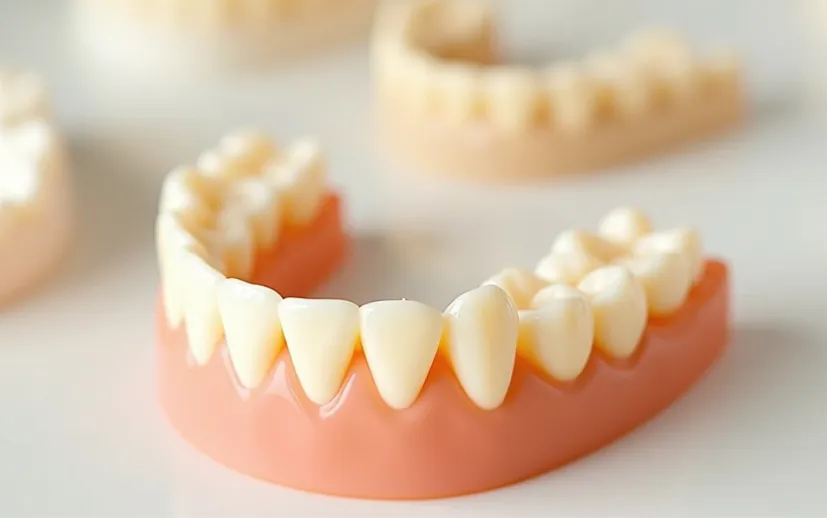
Zirconium dental veneers are a treatment option where aesthetics and durability stand out. Since they do not contain metal, their biological compatibility with the gums is high. Accordingly, it is the veneer type closest to the natural tooth appearance. Zirconium is generally preferred for aesthetic purposes in the front teeth but can also be used on the back teeth.
As an answer to the question “What are the types of dental veneers?”, zirconium is also preferred due to its high light transmittance. Especially the absence of dark discoloration at the gum line is considered one of the most important advantages of this treatment option.
Types of zirconium dental veneers are as follows:
- Full Zirconium Veneer: A treatment option where durability is prioritized. It is generally preferred for back teeth.
- Layered Zirconium Veneer: The tooth substructure consists of zirconium, but a porcelain layer is applied on top. It is widely used in the front teeth to meet both functional and aesthetic requirements.
- Monolithic Zirconium: It is very durable and comes in a single piece. It is an ideal choice for patients with habits such as teeth grinding or clenching.
- Colored Zirconium: One of the dental veneer types that perfectly match the natural tooth color. Aesthetic appearance is prioritized.
Zirconium veneers are a highly advantageous treatment option in terms of biocompatibility, aesthetic appearance, and strength. Especially its structure that does not harm the gums plays a significant role in patient preferences.
2- Composite Dental Veneers
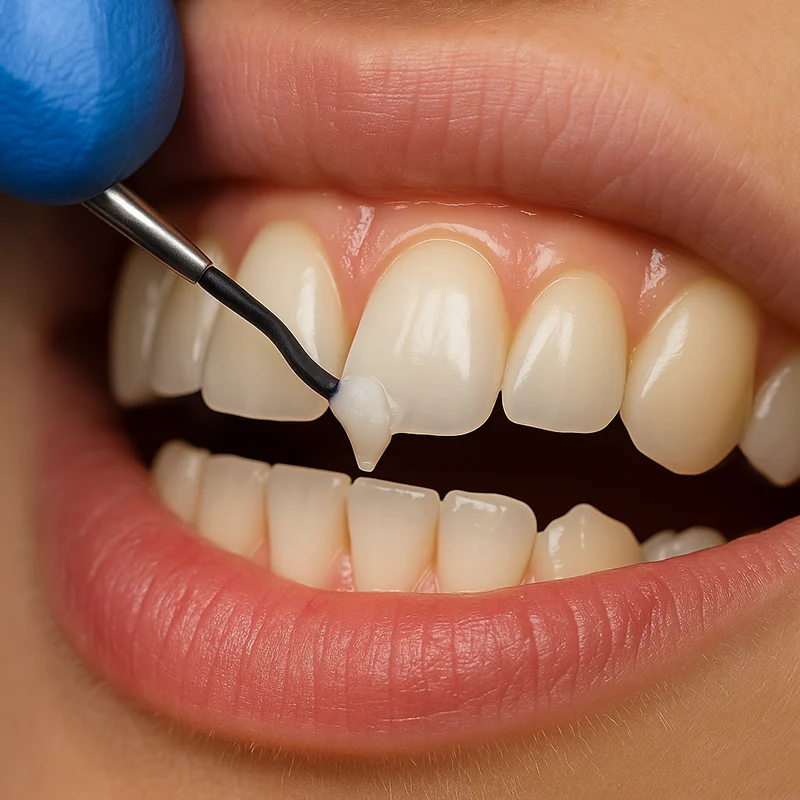
Composite dental veneers are an aesthetic procedure performed with special filling materials applied to the tooth surface. Among the types of dental veneers, it stands out with features such as being economical, quickly applied, and requiring little intervention to the natural structure. Composite veneers, generally performed to meet small aesthetic expectations, can be preferred for closing tooth gaps or repairing broken teeth.
Composite veneers are not as durable as zirconium. This veneer type is more prone to discoloration and can wear down over time. Therefore, it is necessary to avoid staining substances such as coffee, tea, and cigarettes. However, with proper oral care routines in existing cases, the lifespan of composite veneers can be extended.
For those seeking an answer to the question “What are the types of dental veneers?”, composite veneers offer the most practical solution. It is ideal for patients who want to achieve an aesthetic appearance with minor procedures.
Recommended content: What is Composite Laminate?
3- Empress Dental Veneers
Empress dental veneers are among the solutions closest to aesthetic and natural appearance with their full ceramic structure. Its metal-free structure increases light transmission, allowing results similar to zirconium. This veneer type, especially preferred in the front teeth, is suitable for individuals with high aesthetic expectations.
Some advantages of Empress dental veneer treatment are as follows:
- Provides high aesthetic and natural appearance.
- Does not contain metal, is compatible with gums, and does not cause gray reflections.
- Due to its light transmittance, it is almost indistinguishable from natural teeth.
- The risk of allergy is very low.
- Has high biological compatibility, does not press on the gums.
Among the types of dental veneers, Empress veneers, although similar to zirconium, are not suitable for back teeth in terms of durability. This treatment method, which gives near-perfect results in the front region, may face the risk of breaking in areas exposed to high chewing forces. Therefore, it is not ideal for patients looking for both aesthetics and durable material types.
4- Metal-Supported Porcelain Dental Veneers
Metal-supported porcelain veneers have been preferred for many years and still maintain their popularity as a traditional veneer method today. They have a strong metal alloy base, with porcelain material on top that matches the tooth color exactly. Thus, while providing an aesthetic appearance, durability is also increased.
Some prominent features of metal-supported porcelain veneers are as follows:
- High durability, especially preferred for molars.
- More economical compared to other types of dental veneers.
- Resistant to cracking and breaking.
- Provides a suitable aesthetic appearance for wide tooth gaps.
- Has a strong clinical history due to long-term use.
The biggest disadvantage of porcelain dental veneers is the low light transmittance due to the metal support. Therefore, it may cause aesthetic loss in visible areas such as the front teeth. Additionally, if gum recession occurs over time, gray reflections may appear in these areas. It is ideal for patients seeking a solution for back teeth and who do not have high aesthetic expectations.
5- Porcelain Dental Veneers
Porcelain dental veneers are more compatible with the gums compared to metal-supported ones. Especially since they are not metal-supported, their light transmittance is high. This also makes this treatment method suitable for patients with high aesthetic expectations. Porcelain dental veneers, made entirely from ceramic material, can be an economical solution especially for front teeth. Their durability is not as high as zirconium, but with regular check-ups, the lifespan of the veneer can be extended.
Recommended content: How Long Do Porcelain Dental Veneers Last?
Which is the Best Dental Veneer Material?
The best dental veneer material varies depending on the patient’s current condition. At this point, oral structure, aesthetic expectations, patient habits, and the area to be treated are taken into account. Empress and zirconium veneers, which provide results close to natural appearance aesthetically, can be considered the best material types for the front tooth area.
Since there is intense chewing force in the back teeth, metal-supported porcelain veneers may be preferred. However, the best dental veneer material can vary from person to person. Before treatment, you should definitely get detailed information from your dentist and follow their recommendations.
Model Selection and Things to Consider in Dental Veneer Treatment
Choosing among dental veneer types depends on the patient’s oral structure, expectations, and budget. While front teeth are more prominent with their natural appearance, durability is considered for back teeth. The most suitable material should be selected based on the dentist’s recommendations.
Key factors to consider when choosing among dental veneer models are as follows:
- Position of the tooth,
- Patient expectations,
- Teeth grinding habits,
- Risk of allergic reactions,
- Budget,
- Oral hygiene habits,
- Functional features.
The dentist will provide an explanation including the advantages and disadvantages of possible veneer types after a detailed examination. Ultimately, the final decision on the veneer selection belongs to the patient. Usage duration, appearance, durability, and similar factors should be taken into account when making the choice.