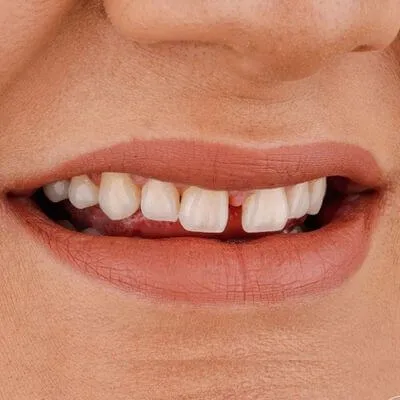
Gum bleeding is one of the most common warning signs in oral health. Most people consider it “normal” when they see blood while brushing and ignore it. However, gum bleeding is a warning signal from the body. Many causes, ranging from simple plaque accumulation to serious systemic diseases, can lead to gum bleeding.
In this article, we will scientifically examine the question “What causes gum bleeding?” and also explain why early diagnosis is vital.
What is Gum Bleeding?
Gum bleeding occurs when blood comes from the gums while brushing teeth, chewing hard foods, or sometimes spontaneously.
- Healthy gums: Pale pink in color, firm, and do not bleed while brushing.
- Sign of disease: If the gums are red, swollen, and bleed when touched, it usually indicates inflammation.
In short, gum bleeding is not “normal.” If left untreated, it can lead to tooth loss and systemic problems over time.
Main Causes of Gum Bleeding
Poor Oral Hygiene and Plaque Accumulation
The most common cause of gum bleeding is plaque buildup due to insufficient oral care. Plaque is a sticky layer formed by bacteria adhering to the surface of teeth. If not brushed regularly:
- It irritates the gums,
- Leads to inflammation,
- Causes bleeding.
This is usually the early stage of gingivitis.
Gingivitis (Gum Inflammation)
Gingivitis is the earliest stage of gum disease. Symptoms include:
- Redness and swelling of the gums,
- Bleeding while brushing,
- Bad breath.
If left untreated, gingivitis can progress to periodontitis.
Periodontitis (Advanced Gum Disease)
Periodontitis is a serious condition that damages not only the gums but also the bone surrounding the teeth.
- Teeth may start to loosen,
- Tooth loss can occur,
- Chronic inflammation can affect the immune system.
Periodontitis is the leading cause of adult tooth loss worldwide.
Incorrect Brushing Techniques
- Using very hard-bristled brushes,
- Brushing too aggressively,
- Brushing in the wrong direction,
can damage the gums and cause bleeding.
Vitamin and Mineral Deficiencies
- Vitamin C deficiency: Weakens gums and causes easy bleeding. (Scurvy is the extreme example.)
- Vitamin K deficiency: Disrupts the blood clotting process, increasing gum bleeding.
- Iron deficiency: Can indirectly affect gum health.
Systemic Diseases
Sometimes gum bleeding may indicate more serious health issues:
- Diabetes: Weakens immunity and facilitates gum infections.
- Blood disorders: Gum bleeding can be an early symptom of leukemia and clotting disorders.
- Cardiovascular diseases: Research shows a strong link between periodontitis and heart attack/stroke.
Hormonal Changes
- Pregnancy gingivitis: Pregnancy hormones make gums more sensitive. About 60% of pregnant women experience gum bleeding.
- Adolescence and menopause: Hormonal fluctuations can increase gum sensitivity.
Medication Use
- Blood thinners (aspirin, warfarin, etc.),
- Certain blood pressure medications,
- Antidepressants,
can cause gum bleeding.
3. Importance of Early Diagnosis
Gum bleeding should not be considered something that will “go away” on its own. Early diagnosis allows:
- Stopping disease before it progresses: Treatment is simple at the gingivitis stage.
- Preventing tooth loss: It can be prevented before progressing to periodontitis.
- Protecting overall health: Periodontitis is directly linked to cardiovascular diseases and diabetes.
- Reducing risks during pregnancy: Early treatment of gum diseases is scientifically proven to reduce preterm birth risk.
👉 In short, early diagnosis is critical not just for oral health but for overall body health.
Treatment Methods
Professional Cleaning (Scaling)
Plaque and tartar accumulation are removed by a dentist using special instruments. This is the most common solution for gum bleeding.
Curettage and Laser Treatment
In more advanced cases, inflammation in the gum pockets is cleaned using non-surgical methods. Laser-assisted treatments accelerate healing.
Medication
Antibacterial mouthwashes, local antibiotic applications, or systemic medication may be required.
Home Care
- Brush correctly twice a day,
- Use dental floss and interdental brushes,
- Use antiseptic mouthwash,
- Maintain a healthy diet and take vitamin supplements.
Tips to Prevent Gum Bleeding
- Proper oral care: Use a soft-bristled brush and gentle movements.
- Dental floss: Removes plaque and food debris.
- Quit smoking: Smoking damages gum health and complicates treatment.
- Regular check-ups: Visit a dentist every 6 months.
- Balanced diet: Foods rich in vitamins C and K.
Frequently Asked Questions
Is gum bleeding normal?
No, gum bleeding is not normal. Healthy gums are pale pink, firm, and do not bleed during brushing. If bleeding occurs while brushing, flossing, or biting a hard food, it usually indicates inflammation. Causes may range from simple plaque accumulation to advanced periodontitis. In short, gum bleeding should be considered a “body alarm” and evaluated by a dentist.
Is gum bleeding dangerous during pregnancy?
Increased hormone levels during pregnancy make gums more sensitive and prone to bleeding, known as “pregnancy gingivitis”. It may be temporary, but if untreated, inflammation can progress and cause permanent damage. Scientific studies also show that gum diseases increase the risk of preterm birth and low birth weight. Regular dental check-ups are therefore critical for both mother and baby.
Should I stop using dental floss if it causes bleeding?
No, you should continue. Bleeding during flossing usually indicates inflammation along the gum line. Regular use removes plaque and within 1–2 weeks, bleeding typically decreases significantly. If heavy bleeding persists for more than 2 weeks despite flossing, it may indicate an infection requiring periodontal treatment. Consult your dentist in such cases.
Which diseases can frequent gum bleeding indicate?
Recurrent and heavy gum bleeding can indicate not only oral health problems but also systemic diseases:
- Diabetes: Weakens immune response and worsens gum infections.
- Leukemia and other blood disorders: Can show early symptoms as spontaneous, widespread gum bleeding.
- Clotting disorders: Cause prolonged bleeding even from minor trauma.
Therefore, gum bleeding should not be seen as a “simple brushing issue.” Recurrent bleeding requires medical evaluation.
What happens if gum bleeding is left untreated?
Untreated gum bleeding starts as simple gingivitis and progresses to periodontitis. In this case:
- Bone tissue around the teeth is lost,
- Teeth become loose,
- Chronic inflammation and bad breath occur,
- Advanced stages lead to tooth loss.
Besides tooth loss, chronic gum infections cause systemic inflammation, increasing the risk of cardiovascular diseases, stroke, and uncontrolled diabetes. Early diagnosis and regular treatment can prevent all these risks.