Tooth loss is a significant problem that directly affects quality of life. Tooth loss in the upper jaw and the resulting bone resorption often make traditional implant treatments difficult. When bone volume is insufficient, conventional implants may not hold properly, causing both aesthetic and functional problems. At this point, zygomatic implants come into play and provide a real solution for patients experiencing bone loss. So, is a zygomatic implant the right choice for you? Let’s take a closer look.
What is Bone Resorption?
Bone resorption, medically known as alveolar bone loss, is the loss of bone volume in the jaw that occurs after teeth are lost. Bone resorption not only causes aesthetic issues but also reduces chewing function, alters facial appearance, and may lead to a loss of self-confidence.
Main Causes of Bone Resorption
- Long-term tooth loss: After teeth are lost, the jawbone does not receive enough stimulation and gradually resorbs.
- Gum diseases (periodontitis): Chronic inflammation weakens the bone.
- Trauma and injuries: Blows to the jaw can cause bone loss.
- Aging: Bone density naturally decreases with age.
- Genetic factors: Some people are born with weaker bone structure.
Bone resorption often progresses silently, and patients may live with it for years without noticing. This becomes a serious obstacle for those who want to get dental implants.
Conventional Implants and Bone Deficiency
Conventional dental implants are placed by inserting titanium screws into the jawbone. However, sufficient bone volume is essential for implant success. Without enough bone, the implant cannot achieve stability and may fail in the long term. In such cases, additional surgical procedures such as bone grafting are usually required. This extends the treatment time and increases the cost.
What is a Zygomatic Implant?
A zygomatic implant takes its name from the zygomatic bone located in the upper jaw. It is a special type of implant developed for patients with severe bone loss in the upper jaw. Zygomatic implants provide a strong and permanent solution even in cases where traditional implants cannot be applied.
Key Features of Zygomatic Implants
- Longer and angled design compared to normal implants
- Anchored to the zygomatic bone instead of the upper jawbone
- Usually 3-4 implants are sufficient to support all upper teeth
- Treatment without the need for bone grafting
- Fast recovery and aesthetic results
Zygomatic implants stand out as a reliable solution, especially for patients with bone resorption.
Who is a Candidate for Zygomatic Implants?
Zygomatic implants are not suitable for everyone but are particularly preferred in the following situations:
- Patients with severe bone loss in the upper jaw
- Individuals who experienced failure with conventional implant treatment
- Patients who do not want or are not suitable for bone grafting
- Those with good general health and proper oral hygiene
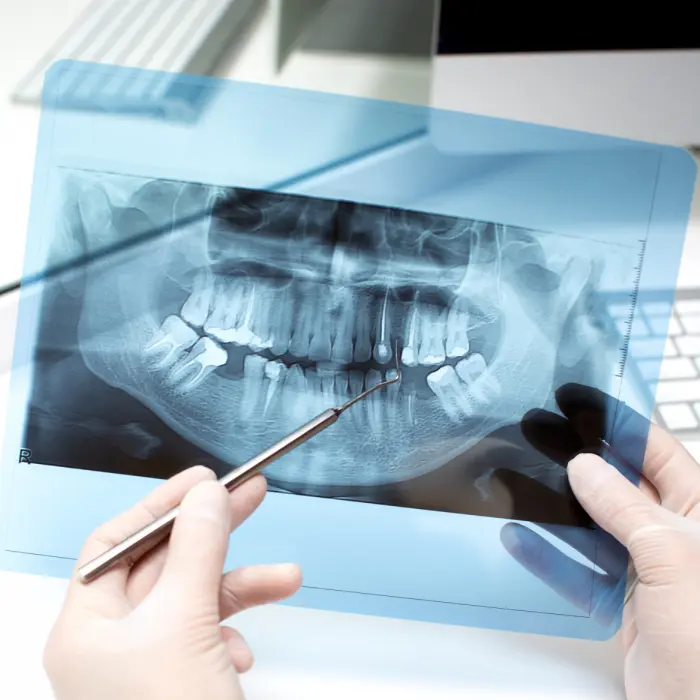
Specialists evaluate candidacy through detailed 3D imaging and clinical examination, creating a personalized treatment plan.
Zygomatic Implant Treatment Process
Zygomatic implant treatment generally consists of four main stages:
1. Examination and Planning
The success of treatment starts with proper planning. At this stage:
- The condition of the jaw and zygomatic bone is examined with 3D tomography
- The number, angles of implants, and prosthesis design are determined
- The patient is informed about the process in detail
2. Surgical Procedure
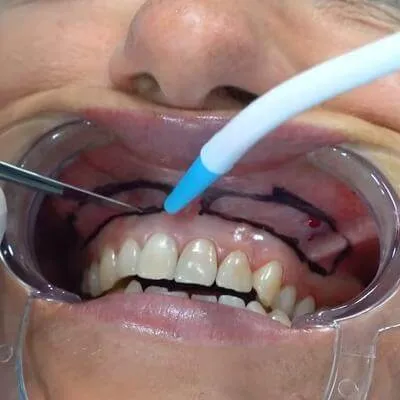
Implants are placed into the zygomatic bone under local anesthesia or sedation.
- In some cases, temporary prostheses may be fitted on the same day
- During surgery, the sinus area and bone structure are preserved
3. Healing and Follow-up
- Mild swelling and sensitivity may occur in the first few days
- Most patients return to daily life within 1-2 weeks
- Regular check-ups are carried out during the healing period
4. Placement of Permanent Prosthesis
- After the implant fully integrates with the bone, permanent prostheses are placed
- Result: aesthetic and natural-looking teeth, strong chewing function, and preserved facial contours
Advantages of Zygomatic Implants
The benefits of zygomatic implants for patients with bone resorption include:
- No bone graft required: Treatment is possible even with severe upper jaw bone loss
- Fast treatment process: Implants and temporary teeth can be placed in a single session
- High success rate: Long-term success rates exceed 95%
- Aesthetic and functional solution: Natural appearance and strong chewing ability
- Preserves facial structure: Prevents sunken appearance caused by bone loss
Zygomatic Implant vs. Conventional Implant
| Feature | Conventional Implant | Zygomatic Implant |
| Bone requirement | Sufficient bone required | Possible with minimal bone |
| Bone grafting | May be necessary | Usually not required |
| Treatment duration | 3-6 months | Temporary teeth within 1-2 weeks |
| Success rate | 90-95% | Over 95% |
| Aesthetic result | Good | Superior for upper jaw tooth loss |
Frequently Asked Questions (FAQ)
Is the zygomatic implant procedure painful?
The procedure is performed under local anesthesia or sedation. Mild swelling and sensitivity are normal.
Can everyone get it?
It may not be suitable for patients with serious systemic diseases or poor oral hygiene.
How long does the treatment take?
Temporary teeth are fitted within 1-2 weeks, while permanent prostheses are placed in 3-6 months.
Does it feel like natural teeth?
Yes, it provides the look and function of natural teeth.
Is it long-lasting?
With proper care and regular check-ups, it can last a lifetime.